
12 Cozy Bedroom Ideas for a Calm, Restful Retreat
Cozy bedroom ideas can turn a plain sleeping space into a retreat you actually look forward to at the end of the day. A bedroom should be the easiest room to relax in, but it is often the last one we style. A few changes to light, texture, and color can make the whole room feel calmer without a full makeover.
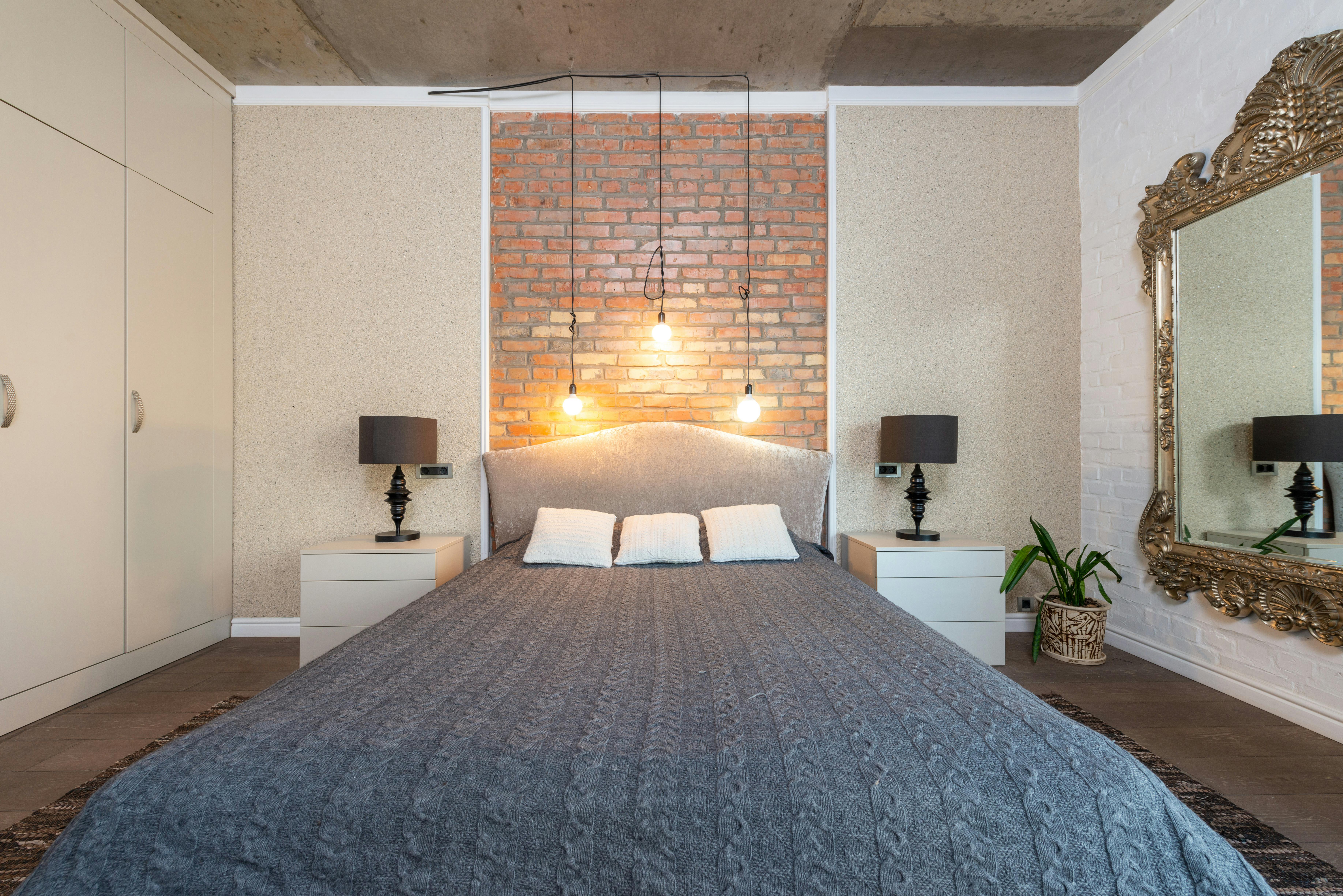
1. Layer your lighting
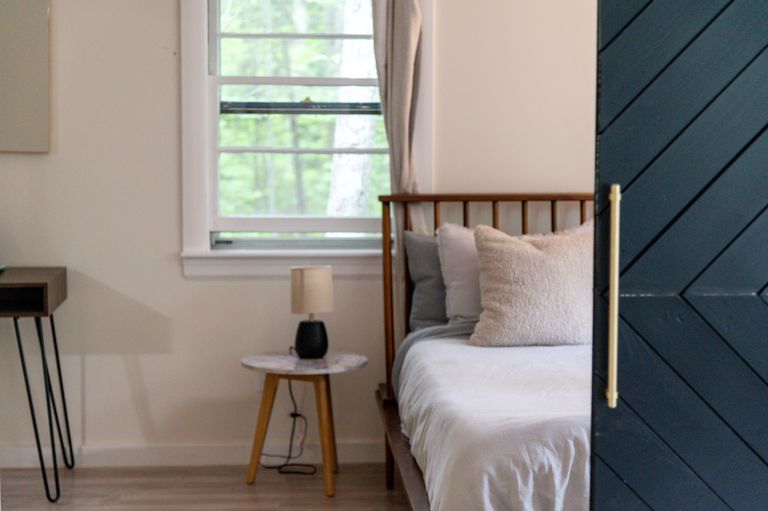
Swap the single overhead bulb for a bedside lamp and a warm floor light. Soft pools of light are far more restful than one bright ceiling glare. When you can dim the main light and switch on a small lamp, the room instantly signals that the day is winding down.
Try to light the bedroom at three heights: a low lamp by the bed, a mid-height reading light, and a softer glow from a corner. That mix removes harsh shadows and lets you choose the brightness for reading, dressing, or simply relaxing before sleep.
Quick Tip: Put the bedside lamp on a dimmer or a smart plug so you can lower it without getting out of bed.
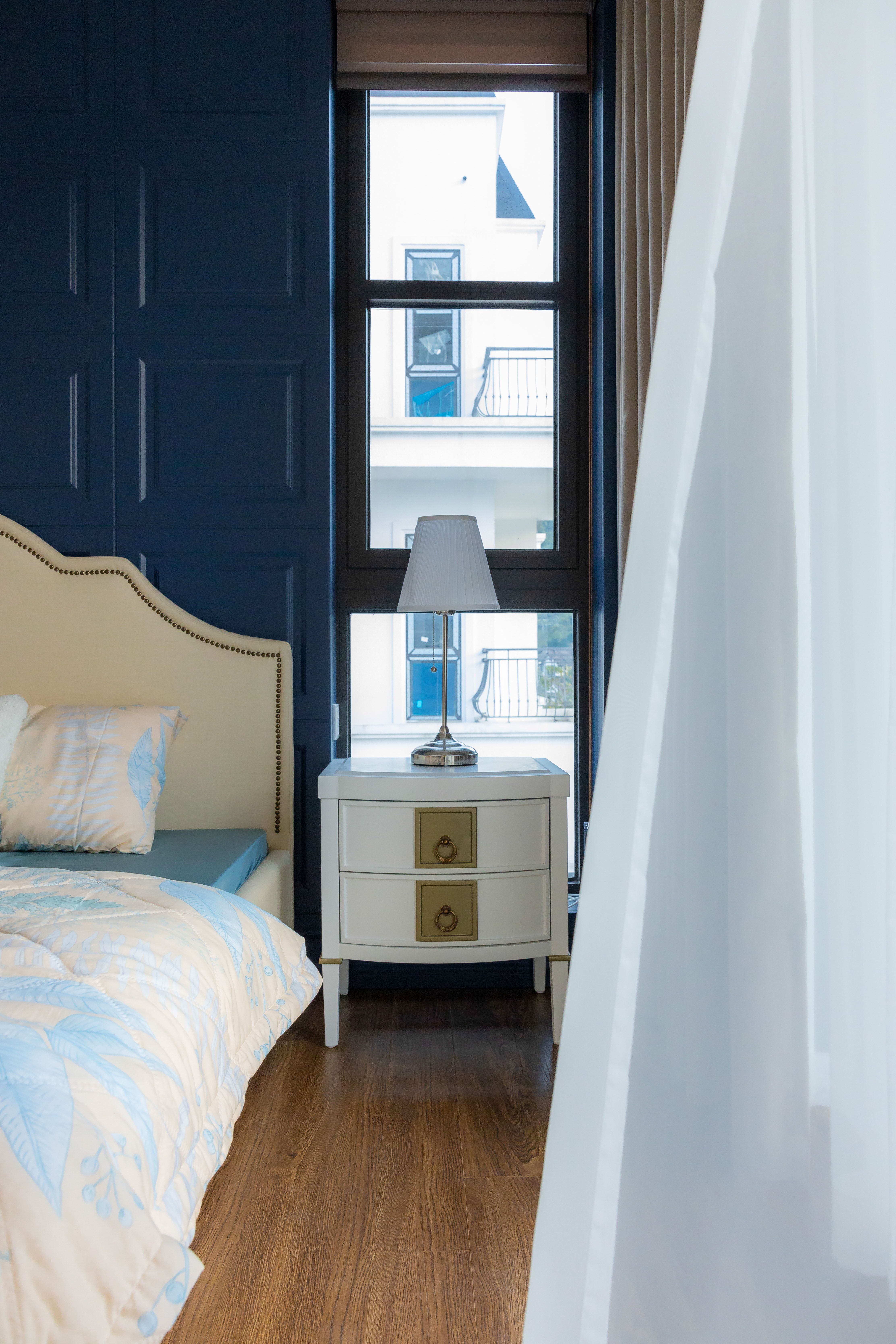
2. Choose warm bulbs
Use bulbs in the 2700K warm-white range. Cool, blue-toned light keeps you alert, which is the opposite of what a bedroom needs. Warm bulbs make skin tones, wood, and bedding look softer, so the room feels welcoming even on a dull evening.
Check every bulb in the room, not just the bedside ones, because one cool bulb can undo the whole effect. LED bulbs now come in warm options that use very little energy, so you can leave a low light on for a few minutes while you settle in.
Quick Tip: Keep a spare warm bulb in a drawer so a blown bulb does not get replaced with a bright daylight one.

3. Dress the bed in layers
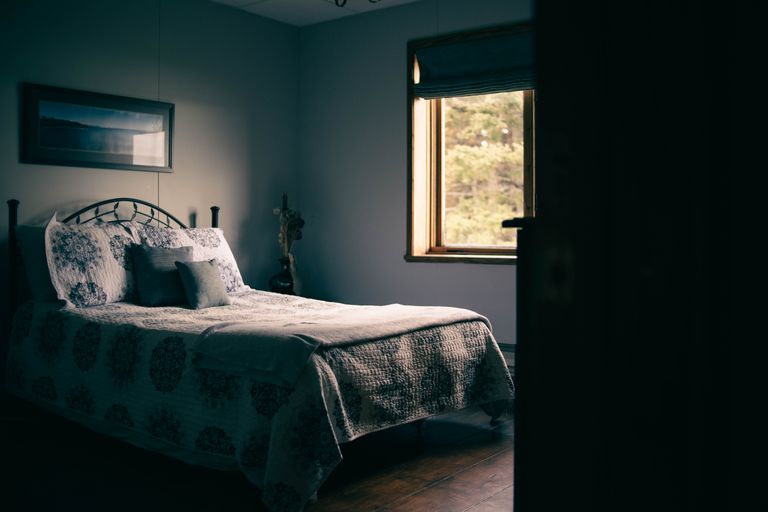
Add a quilt, a throw, and a couple of textured cushions over your duvet. Layers make a bed look inviting and let you adjust warmth through the year. A folded throw at the foot of the bed also gives the room a finished, hotel-like touch.
Mix textures rather than patterns if you want a calm look: a linen duvet, a chunky knit throw, and a velvet cushion can all sit together. In summer, fold the quilt back to a light cotton layer so the bed still looks dressed but sleeps cooler.
Quick Tip: Wash throws regularly and keep one spare set of bedding so a fresh bed is always a quick job.
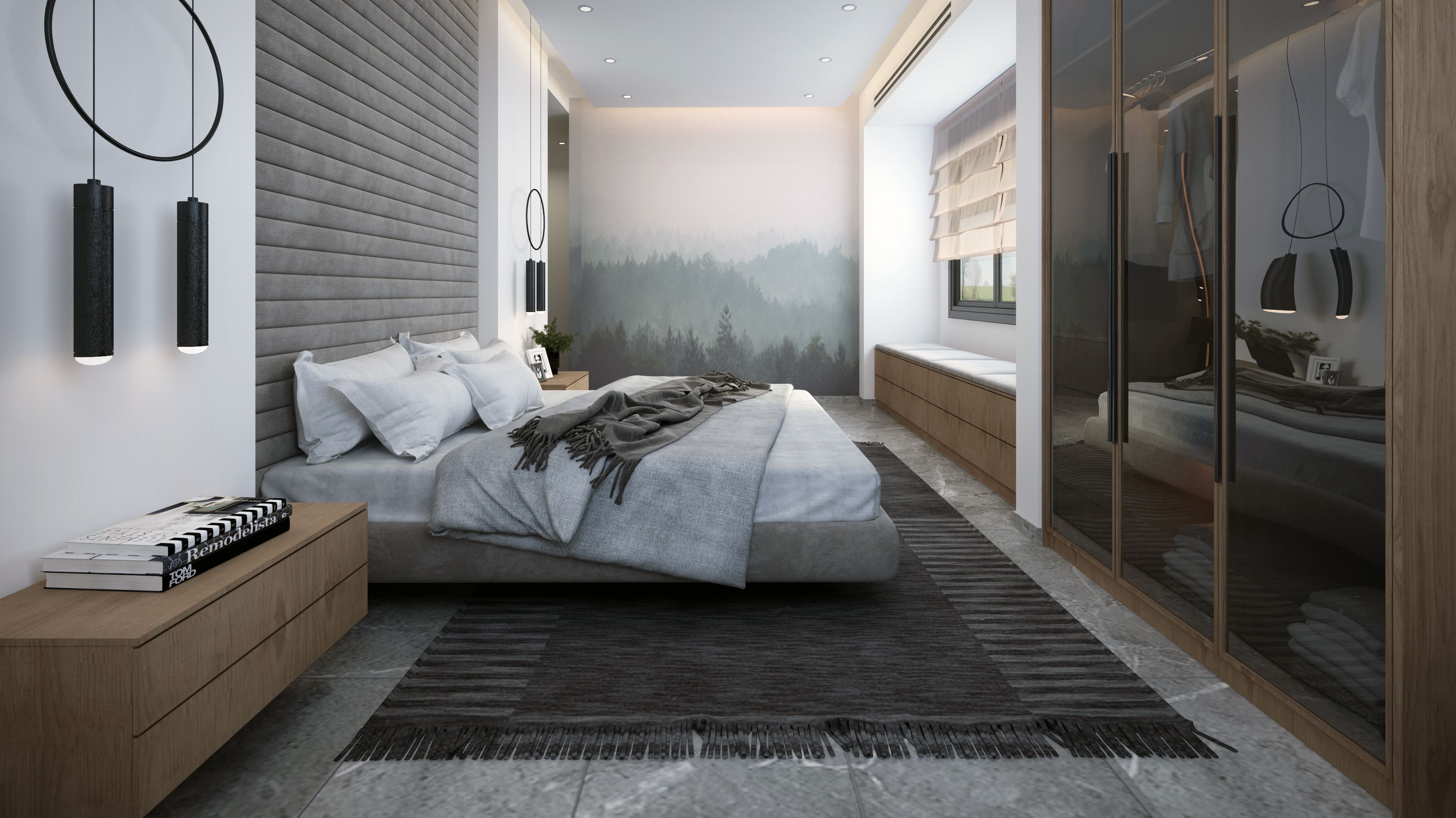
4. Pick a calm color palette
Soft greens, warm neutrals, and muted blues all lower the visual noise of a room. Save bright, bold colors for small accents. A calm palette helps your brain associate the bedroom with rest, especially if the rest of the home is busy and colorful.
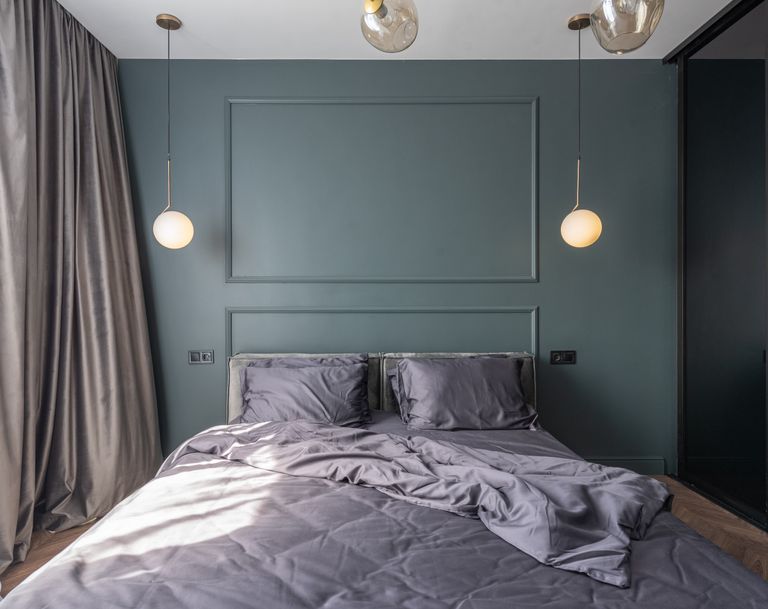
Paint the largest walls first in your chosen calm tone, then repeat it in bedding and curtains. Keep the ceiling white or a very pale version of the wall color so the room does not feel heavy. A single deeper accent wall behind the bed can add depth without overwhelming the space.
Quick Tip: Test a paint sample behind the headboard, where you will see it every evening, before painting the whole room.
5. Keep nightstand clear
A lamp, a book, and one small object is plenty. A tidy nightstand sets the tone for the whole room. When the surface by your bed is clear, it is easier to wind down, find your glasses, and keep phones out of reach at night.
Move charging cables, spare change, and paperwork to a drawer or a small tray elsewhere. If your nightstand has a drawer, use it for the things you need at night but do not need to see. A clear surface also makes dusting a thirty-second job.
Quick Tip: Use a small tray on the nightstand for rings and glasses so they have a home that is not the whole surface.
6. Add a rug underfoot
A soft rug beside the bed gives you a warm first step in the morning and softens hard floors both visually and literally. It also defines the bed area in a larger bedroom, making the sleeping zone feel like its own cozy corner.
Choose a rug large enough that your feet land on it when you get out of bed on both sides if possible. A low-pile rug is easier to vacuum and less likely to trip you at night. Natural fibers like wool or jute add texture and warmth underfoot.
Quick Tip: Add a thin non-slip pad under the rug, especially on wooden floors, so it stays put in the dark.
7. Hang curtains for real darkness
Lined or blackout curtains block street light and help you sleep. Hang them high and wide to frame the window. Curtains that reach the floor also soften the wall and make the bedroom feel more enveloping and quiet.
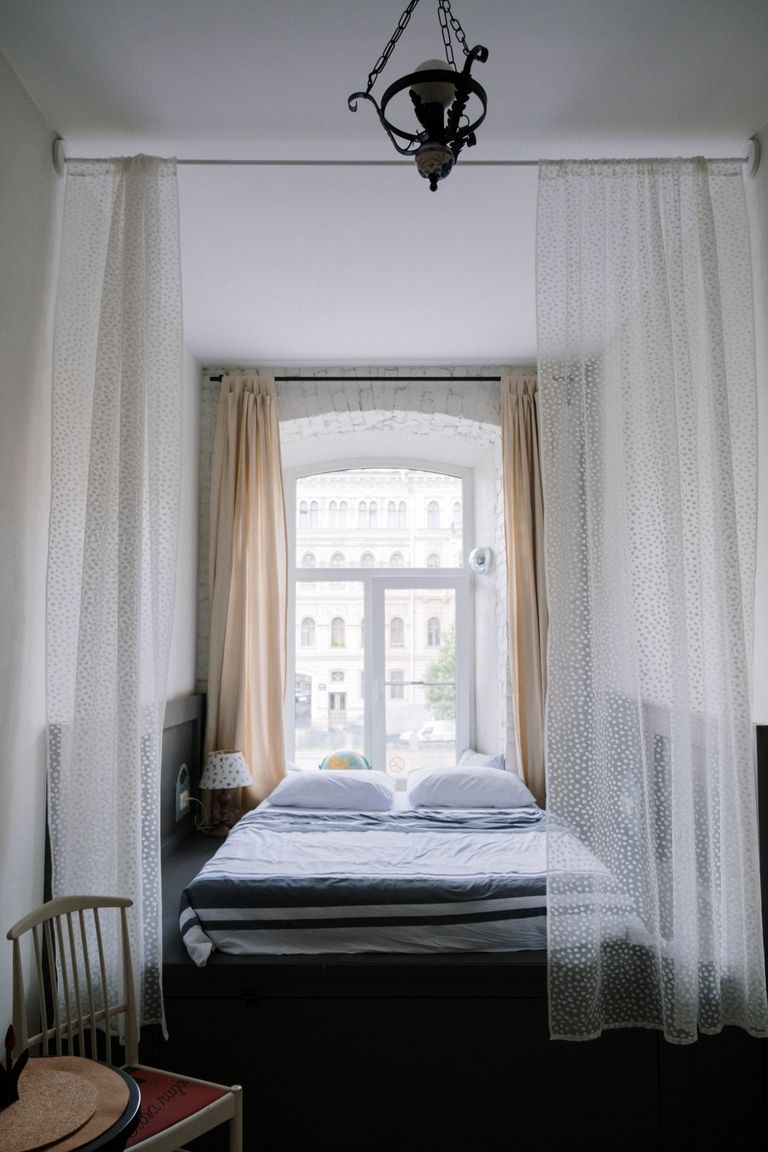
If blackout curtains feel too heavy for daytime, use a sheer layer underneath for privacy and soft daylight. A double rod lets you open the blackout layer in the morning without losing the airy look. Keep curtain fabric in a calm tone that matches the bedding palette.
Quick Tip: Close curtains fully at night and check for light leaks at the edges, then adjust the rod width if needed.
8. Bring in natural texture
Wood, linen, rattan, and wool add warmth that a smooth, matching set never will. Mix at least two natural materials. A wooden bedside table, linen bedding, and a woven basket together give the room a relaxed, lived-in feel.
Natural texture also helps a small bedroom feel less sterile. A rattan lamp shade, a linen throw, and a wooden stool can each add a different surface without adding color. Keep the finishes matte so light reflects softly rather than glinting.
Quick Tip: If you buy a matching bedroom set, break it up with one different material, like a woven basket or a linen cushion.
9. Style the headboard wall
An upholstered headboard or a simple framed print above the bed anchors the room and makes the bed feel intentional. The headboard wall is the first thing you see when you walk in, so styling it pays off every day.
Keep the art calm and uncluttered: one large print, a pair of matching frames, or a soft fabric panel all work. Avoid a gallery wall of many small frames in a small bedroom, because it can feel busy at eye level when you are lying in bed.
Quick Tip: Hang art so its center is about 145 to 150 centimeters from the floor, then check it from the bed before fixing it.
10. Add a touch of green
One easy-care plant softens the room and freshens the air. A trailing pothos on a shelf or a snake plant in the corner is enough. Green also connects the bedroom to the outdoors, which can make a windowless-feeling room feel fresher.
Choose a plant that tolerates low light if your bedroom is shaded. Water it on a set day each week and wipe leaves occasionally so it looks healthy. A small vase of fresh flowers can do the same job for a few days when you want a change.
Quick Tip: Keep plants off the bedside surface if you are sensitive to pollen, and place them on a shelf or floor stand instead.
11. Hide the clutter
Use under-bed storage or a blanket basket to keep the floor clear. A calm room is usually a tidy one. When clothes, books, and laundry have a closed home, the bedroom can actually do its job as a place to switch off.
Under-bed boxes on wheels are ideal for seasonal clothes or spare bedding. A lidded basket by the wardrobe catches worn-but-not-dirty clothes so they do not pile on a chair. Aim for clear floor space so walking to the bed feels easy and unhurried.
Quick Tip: Do a two-minute floor sweep each evening: anything on the floor goes into a basket or back to its room.
12. Add a soft scent
A candle or small diffuser in lavender or sandalwood turns the room into a wind-down space the moment you walk in. Scent is a powerful cue for rest, and a familiar gentle fragrance can help you associate the bedroom with sleep.
Keep the scent light so it does not become overwhelming in a small room. A reed diffuser with a few sticks, or a candle lit for ten minutes before bed, is usually enough. Always blow out candles fully and keep them away from curtains and bedding.
Quick Tip: If you share the room, check that the scent suits your partner too, and switch to an unscented option if anyone gets headaches.
Final thoughts
You do not need to redo the whole room at once. Start with warmer lighting and a cleared nightstand tonight, and the room will already feel calmer. Then add layers, texture, and a soft rug over the following weekends. If you are also working on the rest of the home, our small living room ideas pair well with these bedroom changes.
Frequently Asked Questions
How do I make my bedroom feel cozy on a budget?
Start with warm bulbs, a throw blanket, and a cleared nightstand, because those three changes cost very little. Rearranging lamps and adding a rug from another room can also transform the feel overnight. Save bigger purchases, like a new headboard, until you know which changes actually help you sleep.
What colors help you sleep better in a bedroom?
Soft greens, muted blues, warm greiges, and pale neutrals are all calming choices for bedroom walls. They reflect light gently and do not stimulate the eye the way bright reds or oranges can. Keep the palette consistent across bedding and curtains for the most restful effect.
How many lights does a bedroom need?
Two or three light sources at different heights usually work best: a bedside lamp, a floor or table lamp, and a dimmable main light. Layered lighting lets you read brightly and then dim everything for sleep. Avoid relying on one bright ceiling bulb for every task.
Should I use blackout curtains in a bedroom?
Blackout or lined curtains are worth it if street lights, early sunrise, or shift work affect your sleep. They also add softness and insulation in winter. Pair them with a sheer layer if you still want filtered daylight during the day.
How can I make a small bedroom feel bigger?
Keep the floor clear, use under-bed storage, and choose a calm palette with matching trim to soften edges. Low, simple furniture and a rug that extends under the bed also help. Mirrors can bounce light, but place them carefully so they do not reflect a cluttered corner.

10 Comments