12 Wall & Shelf Styling Ideas for Blank Walls
This post contains Amazon affiliate links. If you buy through them, Top Finds Review may earn a small commission at no extra cost to you.
Wall shelf decor ideas can turn a blank wall into the most interesting part of a room without taking up floor space. Floating shelves, a gallery ledge and a few well-chosen objects will make a wall feel styled rather than empty, whether it is in a living room, kitchen, bathroom or bedroom. Here are twelve wall and shelf styling ideas for blank walls, from a floating shelf pair and the art-books-plant formula to shelf lighting, seasonal swaps and a DIY canvas pairing. For the wider room plans see our small living room ideas, DIY canvas wall art ideas and kitchen decor ideas.
Shop This Look
- Floating Shelves 35.4″ Set of 2 — Check Price on Amazon
1. Floating Shelf Pair
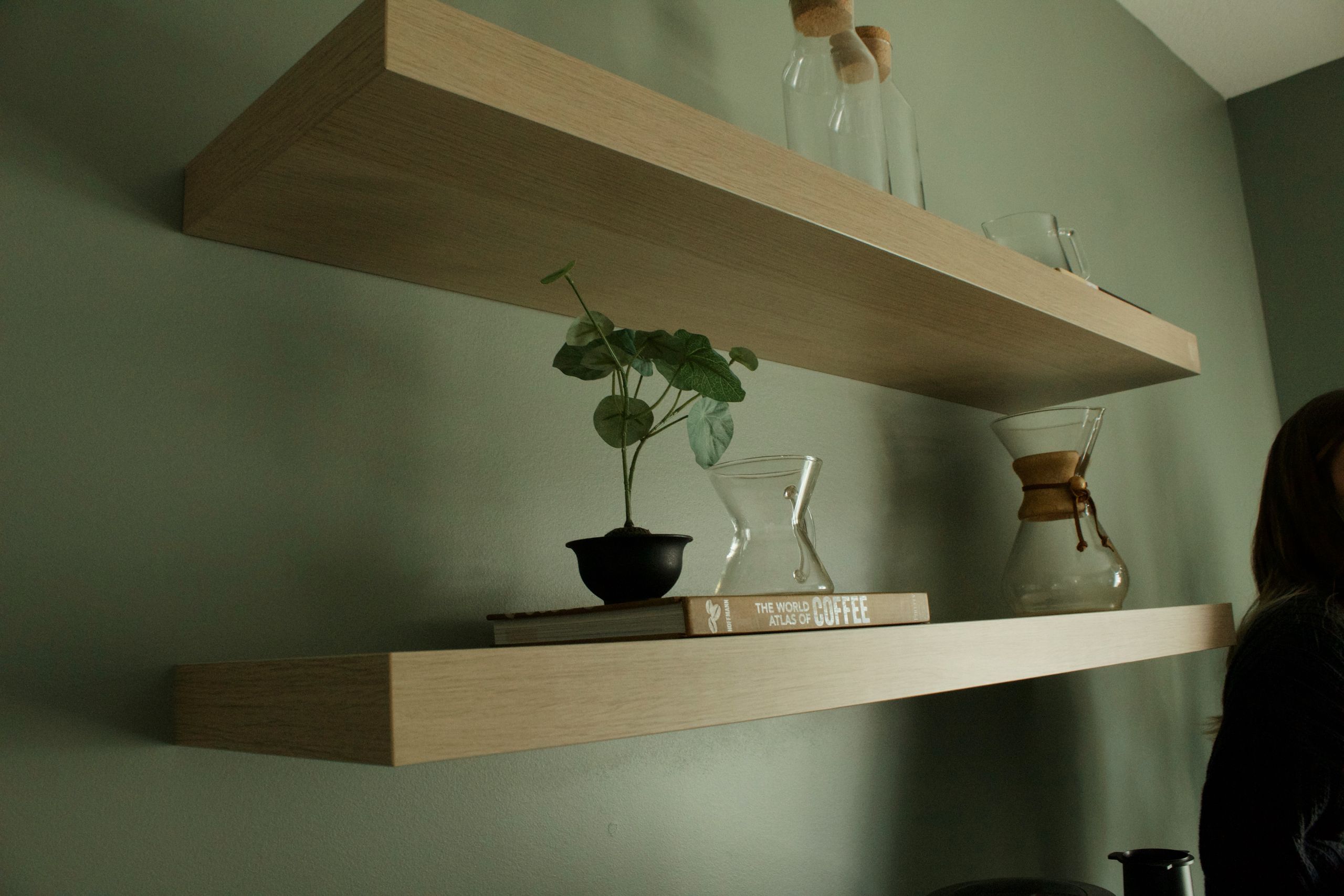
A floating shelf pair is the foundation of most blank-wall styling. Two shelves at staggered heights create a natural rhythm and give you twice the display space of a single shelf. The Floating Shelves 35.4″ Set of 2 are long enough to hold books, a vase and a small plant without looking crowded.
Fix shelves into studs or with suitable wall plugs, and keep the lower shelf at a height that does not block furniture below. A pair looks best when the shelves are the same finish but not necessarily the same length.
Quick Tip: Stagger the shelves by about 15 centimetres so the arrangement feels relaxed rather than rigid.
2. Gallery Ledge
A gallery ledge is a shallow shelf designed for leaning art rather than standing objects. Lean two or three framed prints or canvases on the ledge, overlapping them slightly, and add a small vase in front. A ledge is perfect for renters because you can swap art without making new holes in the wall.
Keep the ledge depth slim, around 10 centimetres, so frames sit securely. A gallery ledge above a sofa or bed creates a focal point that is easy to refresh.
Quick Tip: Lean the largest frame at the back and smaller frames in front so the layers read clearly.

3. Art + Books + Plant Formula
The art + books + plant formula is a reliable styling recipe for any shelf. Place a piece of art or a framed print at one end, a small stack of books in the middle, and a plant at the other end. The three elements balance each other: art gives height, books give weight, and the plant softens the whole arrangement.
Repeat the formula on each shelf but vary the colours and sizes so the shelves do not look identical. This formula works in living rooms, bedrooms and even kitchens.
Quick Tip: Turn book spines to face the wall for a calmer, more neutral look if your books are very colourful.
4. Vase Heights Rule
The vase heights rule keeps shelf styling from looking flat. Use vases and bottles of different heights, such as one tall, one medium and one short, grouped together rather than spaced evenly. Varied heights create movement along the shelf and draw the eye across the arrangement.
Keep vase colours in a limited palette, such as white, terracotta and one accent colour, so the group feels cohesive. A tall vase with a single branch is often more effective than a full bouquet on a shelf.
Quick Tip: Place the tallest vase near the end of the shelf and step down in height toward the centre.
5. Shelf Lighting
Shelf lighting makes styled shelves visible in the evening and adds a warm glow to a blank wall. A small battery lamp, a plug-in LED strip under the shelf above, or a picture light over a gallery ledge will highlight the objects you have arranged. Lighting also makes shelves feel like a feature rather than storage.
Choose warm white light, around 2700K, for a cosy feel, and hide cables behind the shelf or along the wall. Avoid bright white light on shelves, which can make the wall look harsh.
Quick Tip: Put shelf lighting on a timer so the shelves glow automatically in the evening.
6. Kitchen Shelf Styling
Kitchen shelf styling should be both beautiful and practical. Use open shelves for daily plates, bowls and glasses, and style the top shelf with jars, a plant or a small piece of art. Keep the most-used items at reachable height and the decorative items higher up.
Group kitchen items by type, plates together and bowls together, so the shelves look orderly. A kitchen shelf that is styled like a living room shelf but holds everyday items will quickly become cluttered.
Quick Tip: Wash and dry dishes before putting them back on open kitchen shelves to avoid water marks.

7. Bathroom Shelf
A bathroom shelf needs to cope with humidity, so choose sealed wood, metal or glass shelves. Style it with rolled towels, matching bottles and one small plant or ceramic piece. Keep the shelf close to the basin or bath so towels are easy to reach.
Limit bathroom shelf items to what you use daily, plus one decorative object. Too many bottles on a bathroom shelf will look messy and collect water marks.
Quick Tip: Put bathroom shelf items on a tray so you can lift them all to clean the shelf.
8. Bedroom Shelf
A bedroom shelf above the bed or beside it can hold books, a small lamp and a framed photo without taking up bedside table space. Keep bedroom shelves calm and uncluttered, as the bedroom is a place for rest. A single shelf with a plant and a stack of books is often enough.
Fix bedroom shelves securely and keep heavy items low. A shelf above the head of the bed should be shallow and well-fixed so nothing can fall.
Quick Tip: Use a shelf with a small lip or rail in a bedroom so books do not slide off in the night.
9. Seasonal Swaps
Seasonal swaps keep shelves feeling fresh without a full restyle. Swap a vase and branches in autumn, add a small pumpkin or dried flowers, then replace them with fresh greenery in winter and lighter ceramics in spring. Keep the main pieces, art and books, in place and change only the small accents.
Store seasonal items in a labelled box so the swap takes minutes. Seasonal styling also gives you a reason to edit shelves regularly and remove items you no longer love.
Quick Tip: Photograph your shelves after each seasonal swap so you can repeat the arrangements you liked.
10. Negative Space
Negative space is the empty area you leave on a shelf, and it is what makes styled objects stand out. Leave gaps between groups of objects instead of filling every centimetre. A shelf that is only sixty percent full usually looks more expensive than a completely full one.
If a shelf looks busy, remove one item and live with the gap for a day. Negative space also makes cleaning easier, as there is less to move.
Quick Tip: Aim for one empty space for every two groups of objects on a shelf.

11. Colour Echo
Colour echo means repeating a colour from the room on the shelves. If your sofa has terracotta cushions, echo terracotta in a vase or book cover on the shelf. If your kitchen has green cabinets, echo green in a plant pot or jars. Colour echo makes shelves feel connected to the room rather than added on.
Pick one or two colours to echo and repeat each at least twice on the shelves. Too many echoed colours will make the shelves look busy again.
Quick Tip: Take a photo of the room and check which colours appear most often, then echo those on the shelves.
12. DIY Canvas Pairing
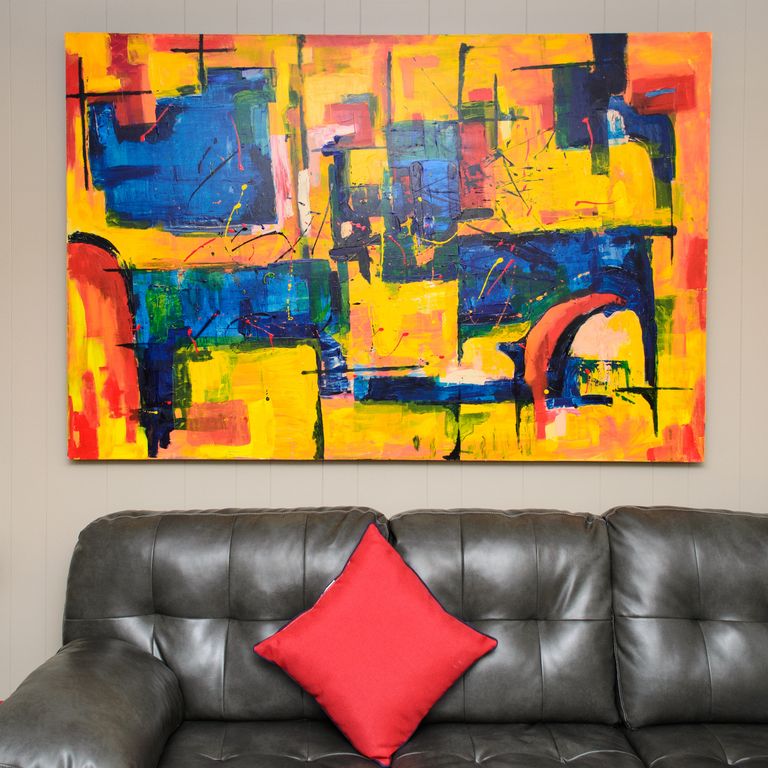
A DIY canvas pairing combines your own art with shelf styling. Lean a DIY canvas on a gallery ledge or on a floating shelf, and pair it with books and a plant that echo its colours. Handmade canvas art adds personality that shop-bought prints sometimes lack.
For ideas on making the canvas itself, see our DIY canvas wall art ideas. A canvas on a shelf is also a good option if you cannot hang art on the wall.
Quick Tip: Seal DIY canvas art with a clear varnish so it does not collect dust on an open shelf.

Final thoughts
Wall shelf decor ideas succeed when you use a simple formula, leave negative space, vary heights and echo the room’s colours. Start with a floating shelf pair, style it with art, books and a plant, then add lighting and seasonal swaps as the wall develops. For more inspiration, see our small living room ideas, DIY canvas wall art ideas and kitchen decor ideas.
Frequently Asked Questions
How do I style floating shelves?
Use the art + books + plant formula, vary heights, leave negative space and echo colours from the room. Keep each shelf to two or three groups of objects rather than filling it completely.
How many items should go on a shelf?
Aim for about sixty percent full. Two or three groups per shelf, with gaps between them, usually looks more styled than a shelf packed edge to edge.
Can I style shelves in a kitchen?
Yes, but keep kitchen shelves practical. Store daily plates and bowls at reachable height and use the top shelf for jars, a plant or a small art piece.
How do I keep shelves tidy?
Edit shelves regularly, remove items you no longer use, and do seasonal swaps. Dust shelves monthly and wipe kitchen and bathroom shelves more often.
What shelves are best for a blank wall?
A floating shelf pair in a wood finish suits most rooms, while a gallery ledge is better if you want to lean and swap art. The Floating Shelves 35.4″ Set of 2 linked above is a versatile starting point.