11 Tiny House Interior Ideas in Sage & Light Wood
Good tiny house interior ideas start with a palette that makes a very small shell feel calm instead of cramped. Sage green and light wood are a forgiving pair: sage adds colour without shouting, and pale timber keeps the room bright and warm. The ideas below show how to use that pairing in a loft, a compact kitchen and a micro-bathroom without filling every surface.
If your tiny house is really a small apartment in disguise, our small apartment living room ideas cover the same scale rules, and the studio apartment divider ideas show how to zone one room. For a softer take on neutrals, see the quiet luxury living room ideas on a budget.
1. Build a Sage Palette
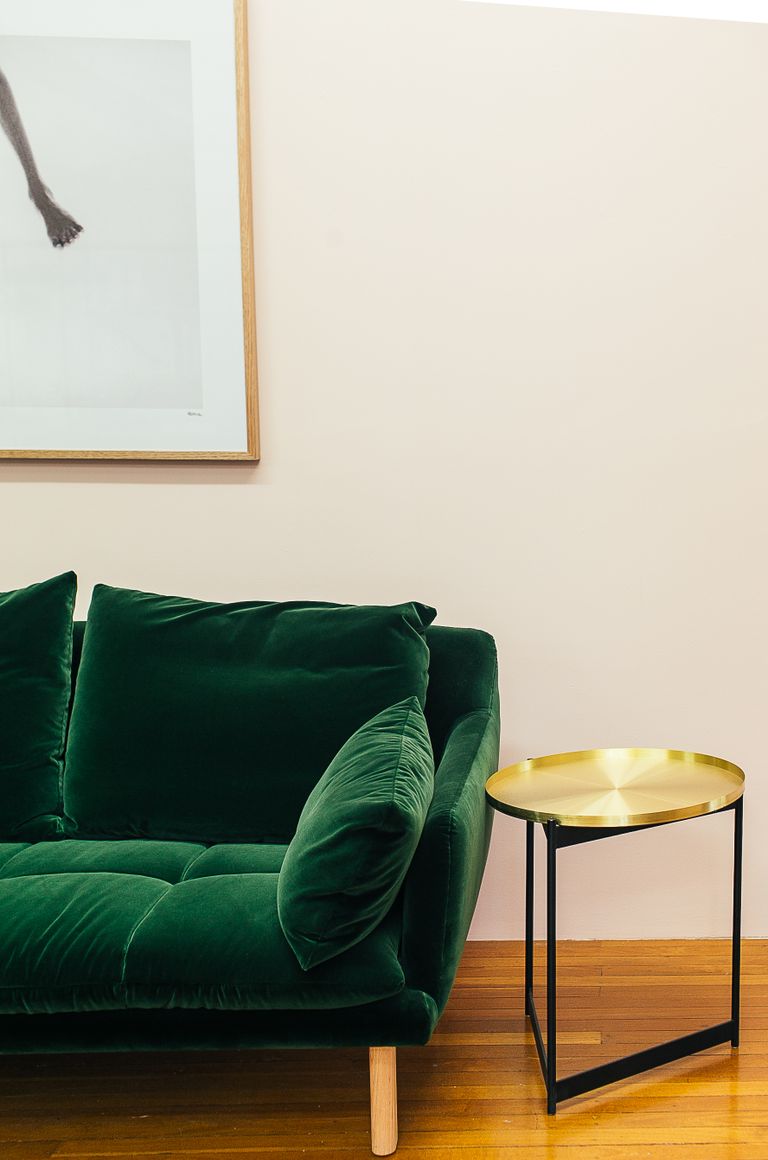
Use sage on the walls or on the largest soft furnishing, then repeat it in smaller doses: a cushion, a vase, a painted shelf back. Sage is a greyed green, so it sits happily beside warm white and pale oak without needing a second strong colour. Paint the ceiling white to keep the loft feeling taller.
Test sage in both daylight and lamplight before you commit, because it can read greyer in a north-facing tiny house. If the sample looks dull, warm it with a wood tone rather than adding a brighter green.
Quick Tip: Paint the inside of a small cupboard sage too — opening it feels like a small treat.
2. Choose Light Wood Throughout
Light wood flooring, a pale pine shelf and a birch-ply table share a visual language that makes a tiny house feel designed rather than assembled. Keep the wood tones within one family — all warm, or all cool — and let the sage be the only colour that changes.
Matte finishes hide scuffs better than gloss in a small home where everything is touched daily. If your floor is dark and cannot be changed, add light wood on top in the form of a runner, a table top or shelving to lift the eye level.
Quick Tip: Use the same wood for the stair treads to the loft so the route up feels like part of the furniture.
3. Style the Sleeping Loft
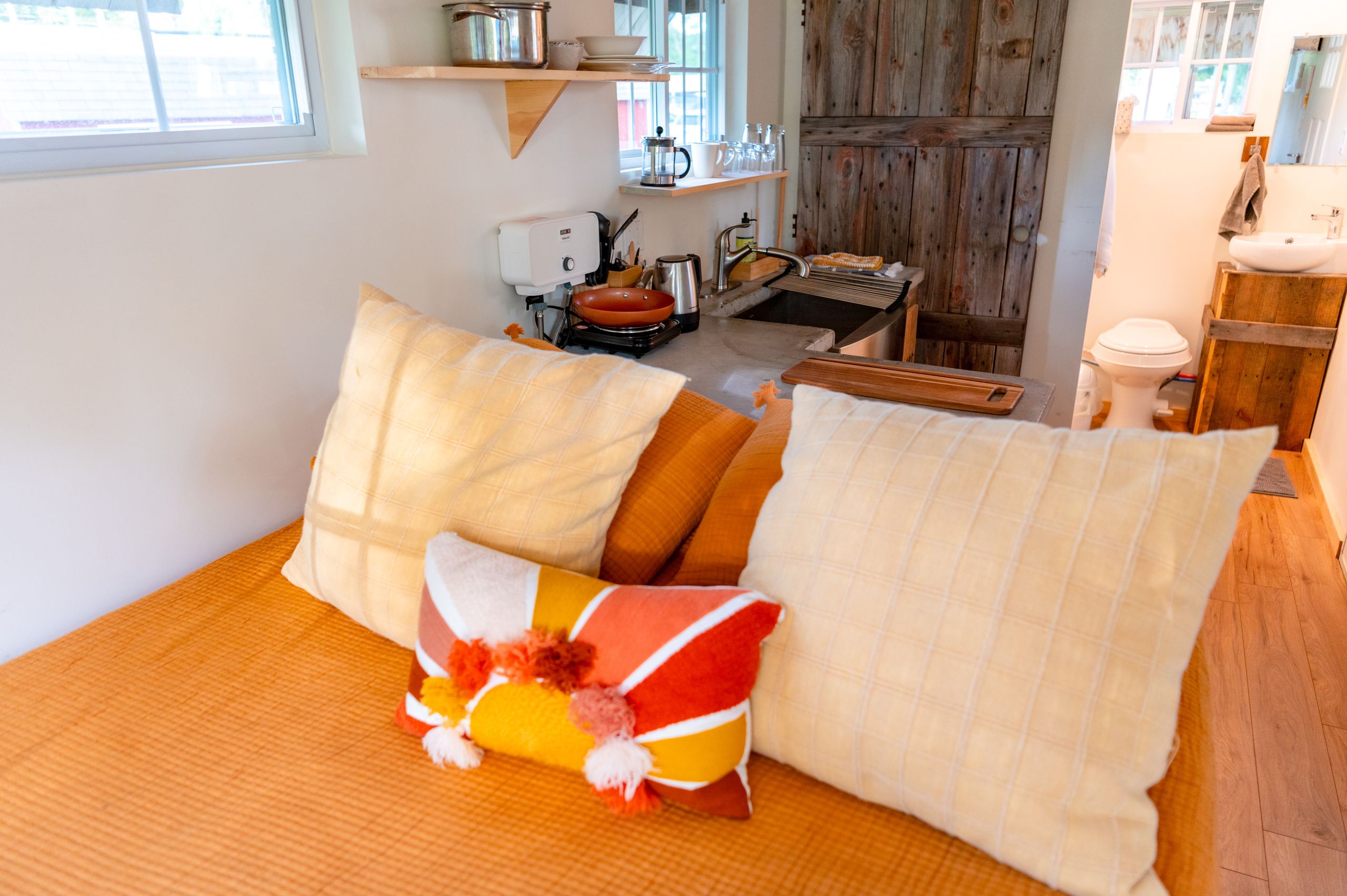
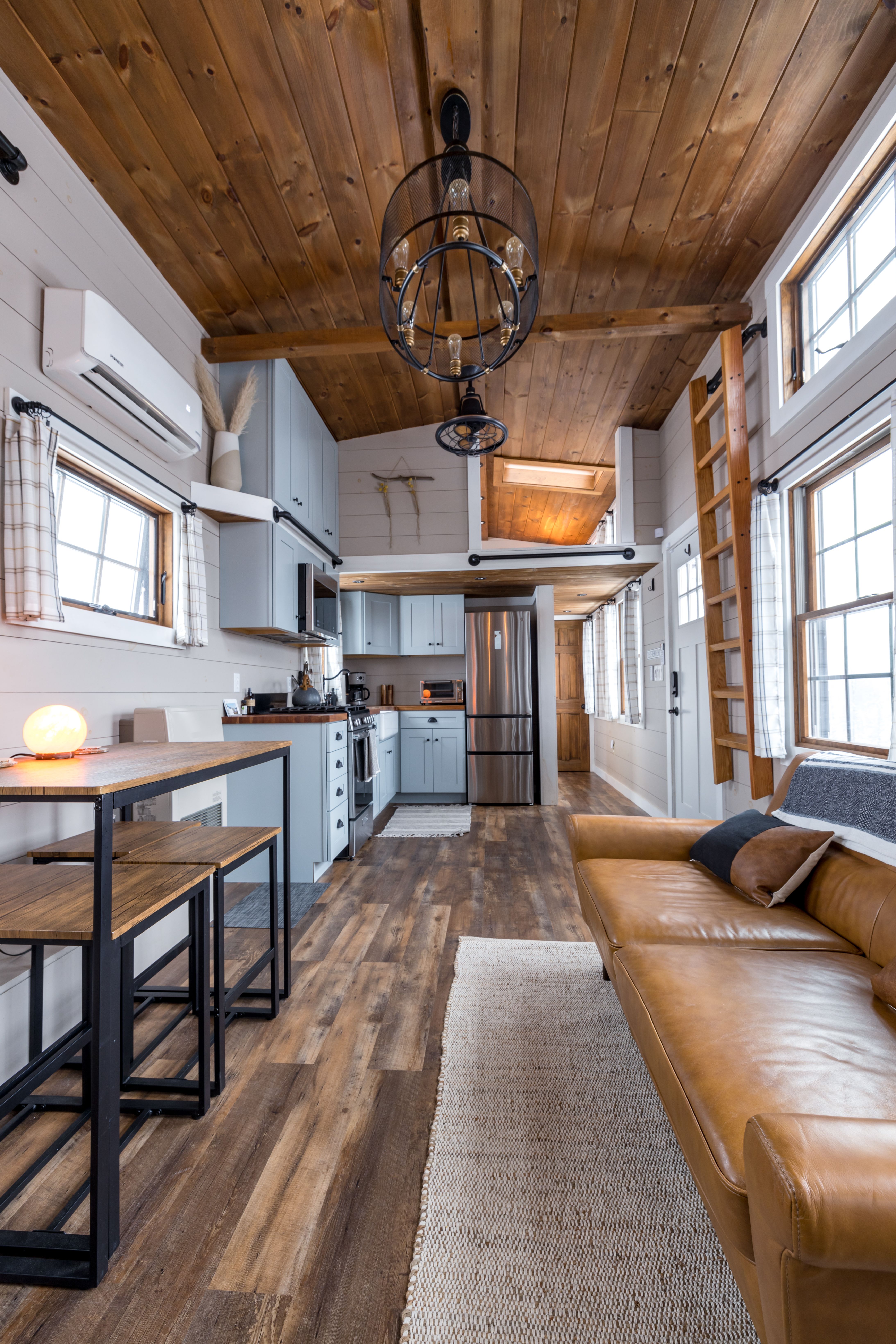
A sleeping loft needs a guardrail that is safe and a styling scheme that is restrained. Dress the bed in white and sage linen, add one textured throw, and keep a small shelf or ledge beside the pillow for a book and a glass of water. A low, warm lamp in the loft avoids a bright ceiling light washing the whole house at night.
Leave the loft edge clear so getting in and out is easy in the dark. Store spare bedding in a lidded box under the mattress rather than in a pile on the loft floor.
Quick Tip: Add a slim bedside pocket to the guardrail for a phone and glasses within reach.
4. Hide Storage Everywhere
Hidden storage is the difference between a tiny house that feels calm and one that feels like a shop. Bench seats with lift-up lids, stair drawers and a sofa with storage underneath all swallow daily life. Label the hidden spots by what goes in them, or you will forget what you own.
Keep one open shelf for the things you want to see — a plant, a favourite mug, a framed photo — and hide everything else. The contrast between one styled surface and many closed ones is what makes the room breathe.
Quick Tip: Put the heaviest items in the lowest hidden storage so the house stays stable and easy to reach.
5. Add a Fold-Down Table
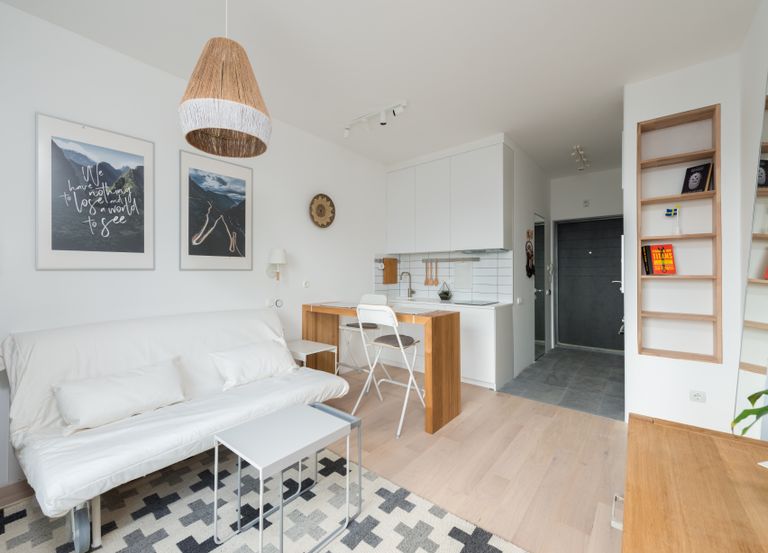
A fold-down table gives you a dining surface and a work surface without claiming floor space all day. Mount it on a wall or on the side of a cabinet, and pair it with stools that slide underneath or stack. When it folds away, the walkway reopens and the room returns to living mode.
Check the bracket rating and fix it into structure, not just into thin panelling. A fold-down table that flexes under a laptop will never feel trustworthy.
Quick Tip: Add a small ledge beside the fold-down table for a lamp so dining and working both have light.
6. Grow a Vertical Garden
A vertical garden adds life to a wall that cannot take furniture. Use a narrow rail with hanging pots, a shelf of small herbs, or a trailing plant on top of a tall cupboard. In a tiny house, choose plants that tolerate the light by the window you actually have, and water them on a fixed day.
Keep the pots in one finish — terracotta, white or black — so the green reads as a single feature. A vertical garden that is also the herb supply for a compact kitchen earns its place twice.
Quick Tip: Put a drip tray under the whole vertical garden and empty it after watering.
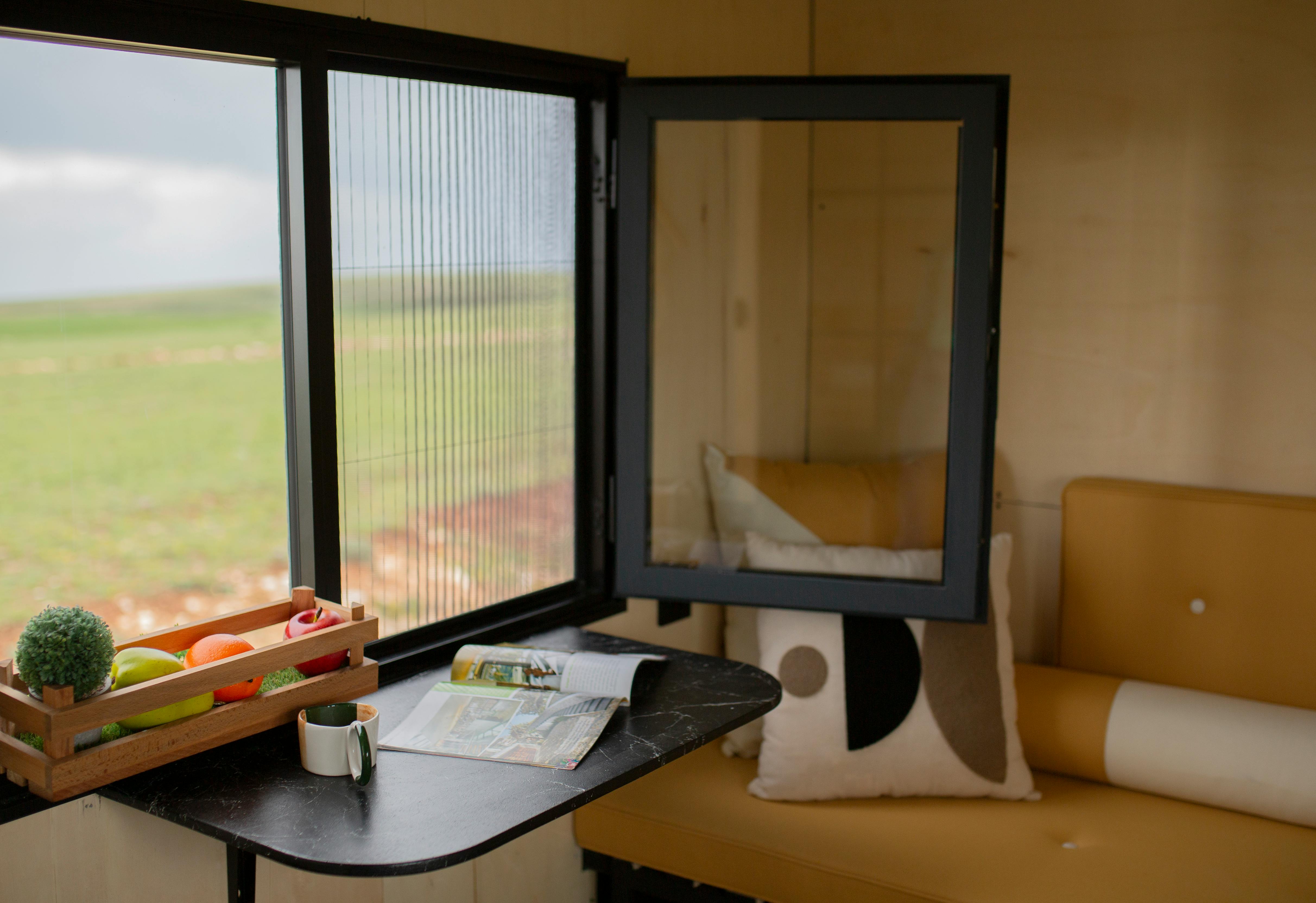
7. Plan a Compact Kitchen
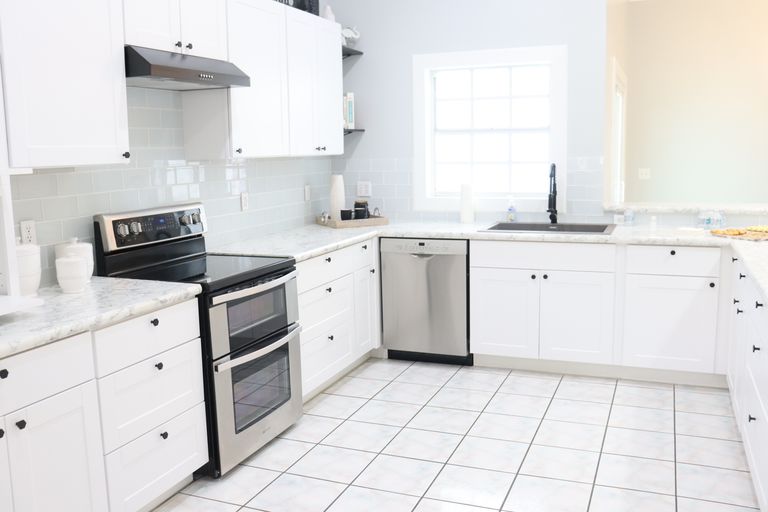
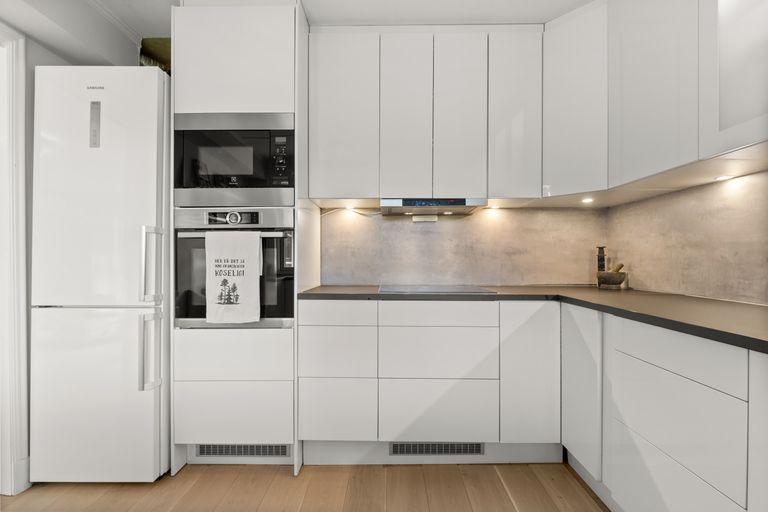
A compact kitchen works when everything has a home within arm’s reach of the hob. Use vertical storage for plates, a magnetic strip for knives and a pull-out larder instead of a deep cupboard you cannot see into. Keep the worktop clear by storing small appliances in one cupboard and bringing them out only to use.
Choose a single worktop material and repeat it on a small shelf or table so the kitchen zone feels connected to the rest of the house. Sage-painted cabinets with a light wood worktop echo the main palette without extra effort.
Quick Tip: Measure your largest pan and plate before buying storage — the pan is usually the problem.
8. Make a Spa Micro-Bathroom
A micro-bathroom feels spa-like when it is pale, uncluttered and well lit. Use sage or white tiles, a light wood shelf and one plant that likes humidity. A wall-hung basin frees floor space, and a mirror with integrated light makes a small room feel larger and brighter for getting ready.
Ventilation matters more in a tiny house because steam has nowhere to go. Use the fan every time, wipe the mirror after a shower, and keep toiletries in a closed cabinet rather than on the basin edge.
Quick Tip: Roll towels and store them in a basket under the basin — rolled towels look intentional in a small space.
9. Create a Reading Loft
If the sleeping loft is for sleep, a reading loft or reading corner needs its own identity: a cushion, a warm lamp and a small stack of books. In a tiny house this can be the far end of the loft, a window seat, or a corner chair with a floor lamp. Keep the reading light separate from the main light so evenings can be zoned.
Store books spine-out on a low shelf rather than piled on the floor, and keep a basket for the current book and a throw. A reading corner that is always ready gets used; one that needs clearing first does not.
Quick Tip: Choose a lamp with a warm, dimmable bulb for the reading spot — it doubles as evening mood lighting.

10. Layer Warm Lighting
Warm lighting is essential in a tiny house because one bright ceiling light will flatten every zone at once. Layer a main light for cooking, a task light for work and a low glow for evenings. Keep all bulbs in the same warm range so the house feels like one place after dark.
Use plug-in wall lights or rechargeable lamps where wiring is limited, and tuck cables out of the walkway. A string of small warm lights along a loft edge or shelf adds height and cosiness without taking up surface.
Quick Tip: Put the evening lamps on one timer so the whole house settles into night mode together.
11. Edit the Surfaces
Edited surfaces are the final tiny-house rule: if it does not have a job or a memory, it does not have a place on display. Keep the worktop, the table and the loft ledge mostly clear, with one styled tray or shelf doing the decorative work. Rotate a few objects seasonally instead of accumulating them.
Do a ten-minute edit each week: return everything to its hidden home, wipe surfaces, and put back only the one or two objects that belong there. In a tiny house, that small habit is the difference between calm and clutter.
Quick Tip: Photograph each surface after editing — the photo shows clutter your eye has learned to ignore.

Final thoughts
Tiny house interior ideas in sage and light wood succeed when the palette is simple, the storage is hidden and the surfaces are edited. Start with the sage walls and light wood, add the fold-down table and the loft styling, and let warm lighting do the rest. If you want to compare a larger small-space plan, revisit our small living room ideas that make the space feel bigger and borrow the scale rules that fit your shell.
Frequently Asked Questions
What colours work best in a tiny house?
Sage green with light wood is a reliable pair because sage adds colour without darkening the room, and pale timber reflects light. Warm white on the ceiling and one repeated accent colour complete the scheme.
How do I store things in a tiny house without clutter?
Use hidden storage: bench seats, stair drawers, under-sofa boxes and closed cabinets. Keep one open styled surface and hide the rest, labelling hidden spots so you remember what is inside.
Is a sleeping loft practical in a tiny house?
Yes, if the ceiling height allows safe sitting up and the ladder or stairs are comfortable to use daily. Keep the loft styling minimal, add a guardrail and a low warm lamp, and store spare bedding under the mattress.
How can I make a micro-bathroom feel like a spa?
Keep it pale and uncluttered, use a wall-hung basin, add a light wood shelf and one humidity-loving plant, and ventilate well. Rolled towels in a basket and a mirror with warm light finish the spa feel.
What is the best table for a tiny house?
A fold-down wall table with stools that tuck underneath is the most flexible choice, giving you dining and work surfaces without permanent floor space. Fix it into structure and check the bracket rating before buying.