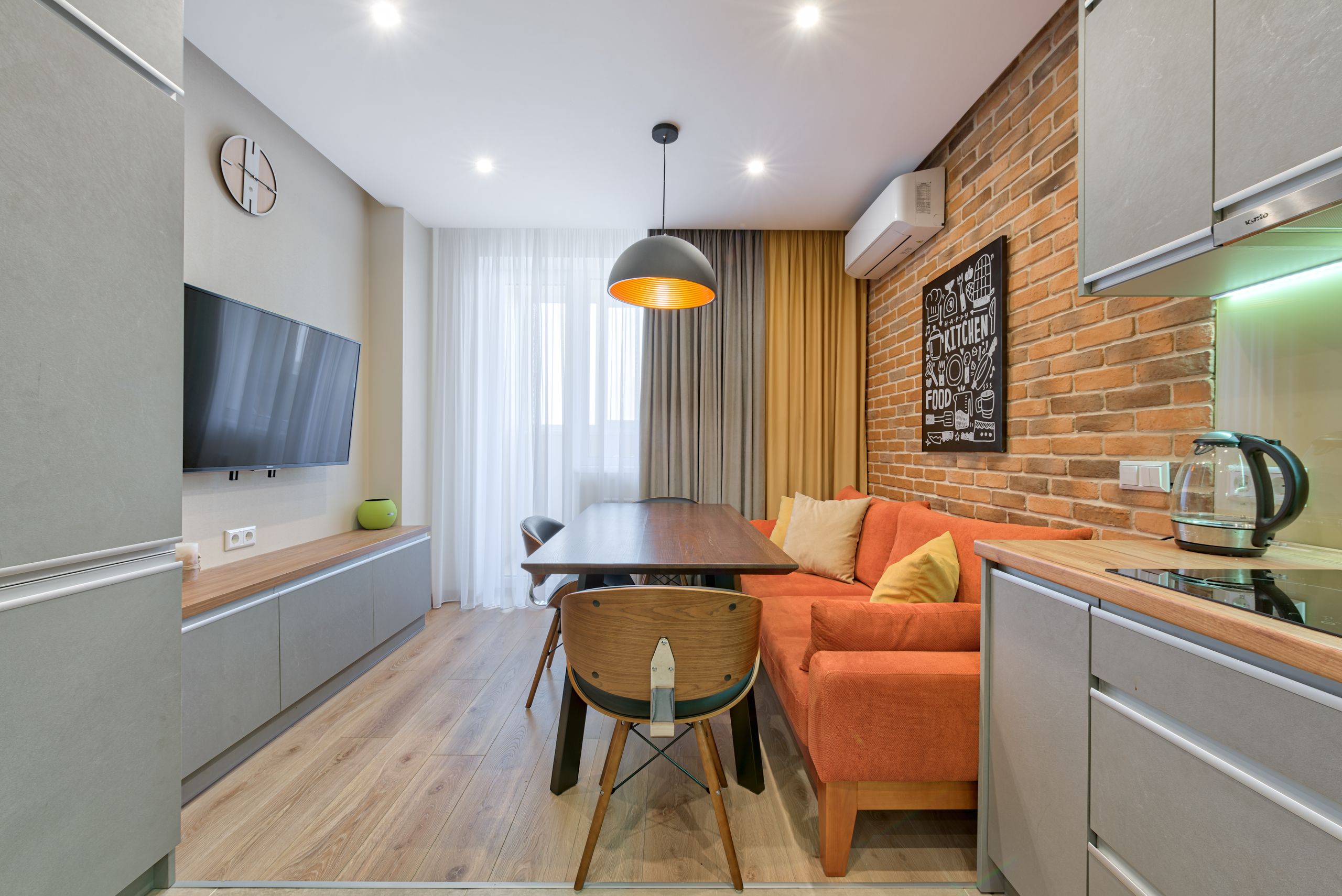
15 Small Apartment Living Room Ideas
This post contains Amazon affiliate links. If you buy through them, Top Finds Review may earn a small commission at no extra cost to you.
A small apartment living room does not need more furniture to feel finished. It needs furniture that earns its footprint, storage that hides the daily pile-up, and a few calm surfaces that let the eye travel. The ideas below are built for renters and small floor plans: measure twice, keep walkways clear, and choose pieces that can move or fold when the room has to change jobs.
If you want a broader starting point, compare these choices with our quiet luxury living room ideas on a budget for restrained materials, and with moody neutral living room decor ideas if you prefer deeper colour. You can also use the DIY canvas wall art ideas to fill a wall without buying bulky decor.
Shop This Look
- Cube Storage Organizer 16-pack — Check Price on Amazon
- Floating Shelves Set of 2 — Check Price on Amazon
1. Start With Scale Rules
Before you buy anything, tape the floor plan on the carpet with painter’s tape. Mark the sofa, coffee table, TV distance and the path from door to kitchen, then live with those outlines for a day. Scale rules are simply honest measurements: leave at least 30 inches for a main walkway where you can, keep the coffee table 14 to 18 inches from the sofa edge, and do not let a rug float so far from the furniture that the room looks chopped up.
Small rooms punish guesswork. A sofa that is only two inches too deep can block a door swing, and a sideboard that looks slim online can swallow a corner in person. Write the tape measurements on your phone before shopping, and compare every product dimension against them.
Quick Tip: Photograph the taped layout from the doorway — that photo is what guests will actually see.
2. Choose Low Furniture
Low-profile sofas, media consoles and coffee tables keep the sightline open above them, which makes a low ceiling feel taller. Look for pieces with exposed legs rather than solid plinth bases, because light passing underneath creates a sense of air. A low sofa also lets a window or a tall mirror do more visual work.
Keep proportions consistent. One very low coffee table beside a tall, bulky armchair will look like a mistake, so repeat the same leg height and finish across the main pieces. If your sofa is low, choose a slim side table at a similar height instead of a chunky end table.
Quick Tip: Measure seat height as well as overall height; low should still be comfortable to stand up from.
3. Use a Mirror to Double the Light
A mirror placed opposite or beside a window bounces daylight deeper into the room and gives the eye a second horizon. In a rental, a large leaning mirror or a pair of smaller framed mirrors works without drilling. Keep the mirror’s edge aligned with a window edge or the top of the sofa so it looks intentional rather than like a spare object.
Avoid placing a mirror where it reflects clutter. If the view in the reflection is a pile of shoes, the mirror will advertise it. Clear that zone first, or angle the mirror toward a plant, a lamp glow or a piece of art.
Quick Tip: Wipe mirrors with a dry microfibre cloth after cleaning so streaks do not dull the reflected light.
4. Keep a Light Palette With One Anchor
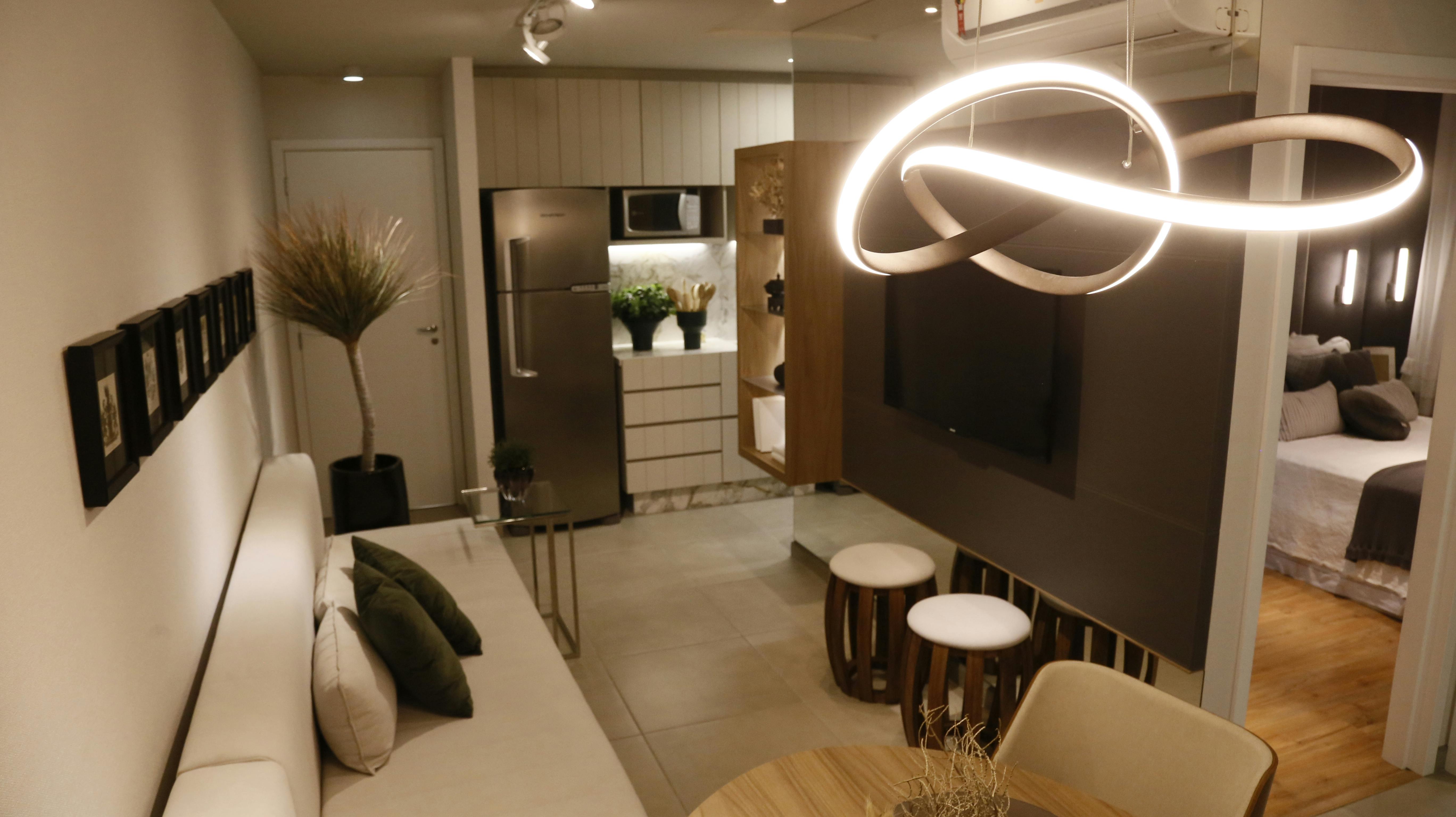
Paint the walls and the largest rug in a light, warm neutral, then add one anchor colour through cushions, a throw or a single chair. Light walls reflect more daylight, while the anchor stops the room from feeling like a blank box. Warm whites, pale oak and soft greys are forgiving in apartments because they work with both cool and warm lamps.
Repeat the anchor colour at least three times in small doses so it reads as a scheme rather than a single purchase. A cushion, a book spine and a vase in the same family is enough. Resist adding a second strong colour until the first one feels settled.
Quick Tip: Test paint swatches on two walls and look at them at night with lamps on before committing.
5. Add Floating Shelves
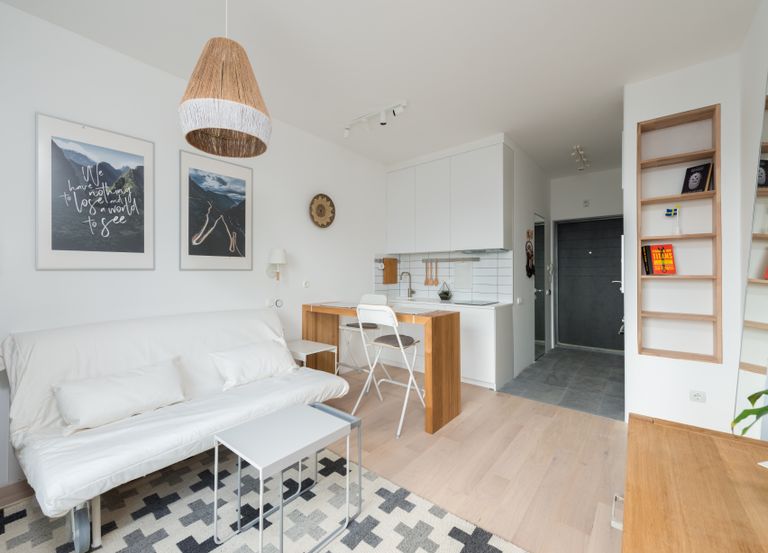
Floating shelves move display off the floor and free up the only surface many renters cannot change: the floor area itself. Use them for a short row of books, one framed print and a small plant rather than a full library. The Floating Shelves Set of 2 is the kind of simple, low-depth shelf that suits this job.
Mount shelves above a sofa or desk where they will not be bumped, and keep the deepest items at the back. Leave breathing room between objects; in a small room, negative space is part of the decor. If drilling is not allowed, use the shelves only where the lease permits fixings and choose a freestanding alternative elsewhere.
Quick Tip: Keep shelf loads light and spread weight evenly — decorative does not need to mean heavy.
6. Pick a Storage Ottoman
A storage ottoman replaces a plain coffee table with a hiding place for throws, board games and charging cables. Choose one with a firm, flat top so it can hold a tray, and check the internal volume rather than judging by the outside size. In a studio or one-bed flat, that hidden volume often matters more than another open shelf.
Pair the ottoman with a small tray for remotes and drinks, and keep the rest of the top clear. If the ottoman is too soft to use as a table, add a rigid tray or a board cut to size underneath a cloth, and test it before guests arrive.
Quick Tip: Store the things you need weekly inside, not the things you have forgotten about.
7. Try a Room Divider Shelf
Where a living room flows into a dining nook or a sleep zone, a room divider shelf creates a boundary without building a wall. The Cube Storage Organizer 16-pack can be arranged as a low, open divider that holds baskets on one side and books on the other. Keep the top row open so light and air still pass through.
Anchor any tall divider to the wall or keep it low and wide for stability, especially in homes with children or pets. Style the divider from both sides, because it will be seen from both zones. A plant on the living-room side and a lamp on the dining side makes the piece feel deliberate.
Quick Tip: Leave one cube completely empty at eye level so the divider does not become a solid wall of boxes.
8. Layer the Lighting
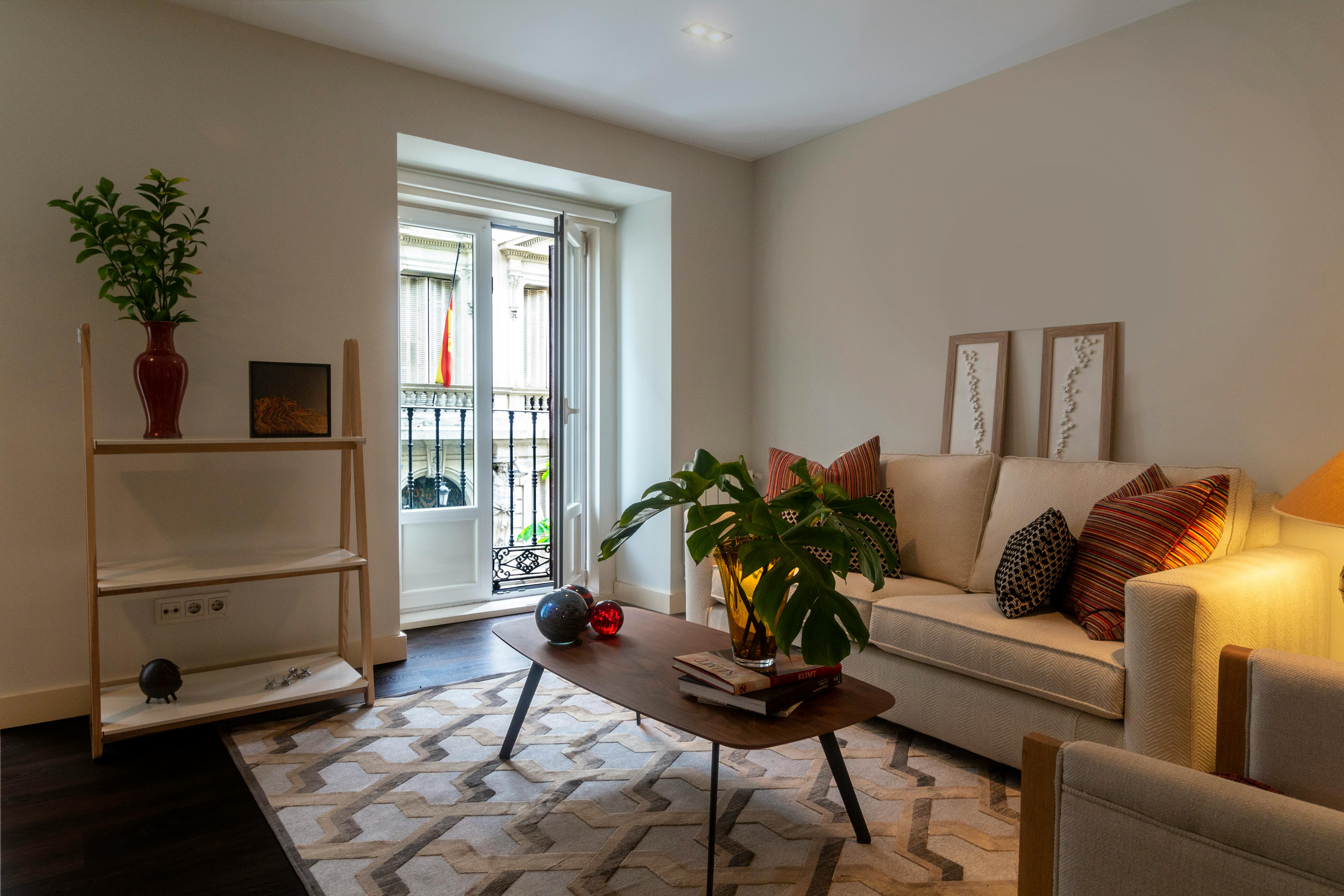
One ceiling light flattens a small room and makes every corner look equally harsh. Layer a floor lamp for reading, a small table lamp for evening glow and, if possible, a warm strip or picture light for depth. Keep bulbs in the same warm temperature range so the layers feel like one scheme.
Place lamps at different heights: one low beside the sofa, one at seated eye level, and one higher near a shelf or mirror. That staggered height makes the room feel larger because the eye keeps moving. Use plug-in or rechargeable options where wiring is limited, and tuck cables along skirting boards.
Quick Tip: Put lamps on timers or smart plugs so the room is lit before you walk in on dark evenings.
9. Hang Sheer Curtains
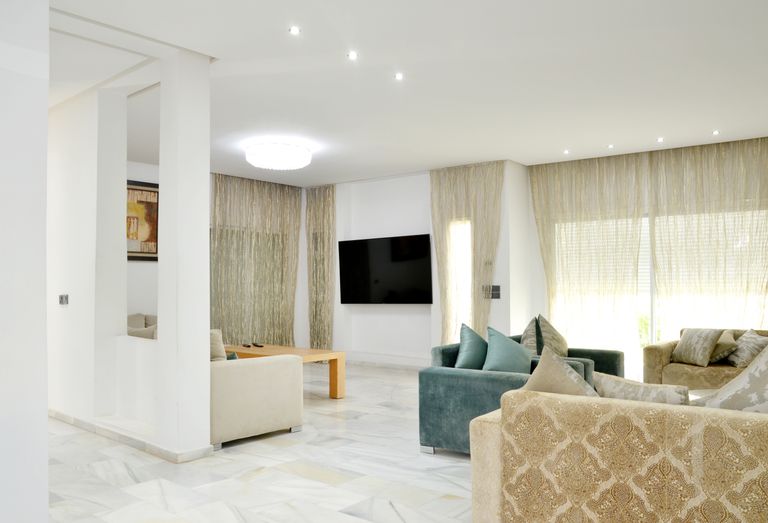
Sheer curtains soften a window, protect privacy during the day and still let daylight through. Hang the rod as high as the ceiling allows and let the panels fall just to the sill or the floor, depending on the window. Width matters too: panels should cover the wall, not just the glass, when open, so the window looks wider.
Choose a fabric with a gentle weave rather than a shiny synthetic, and wash or steam them before hanging so they fall straight. In a rental, use a tension or no-drill rod only if the window frame can take it, and check the lease for any fixing rules.
Quick Tip: Hem sheer curtains with fabric tape instead of stitching if you may move them to a different window.
10. Lay One Large Rug
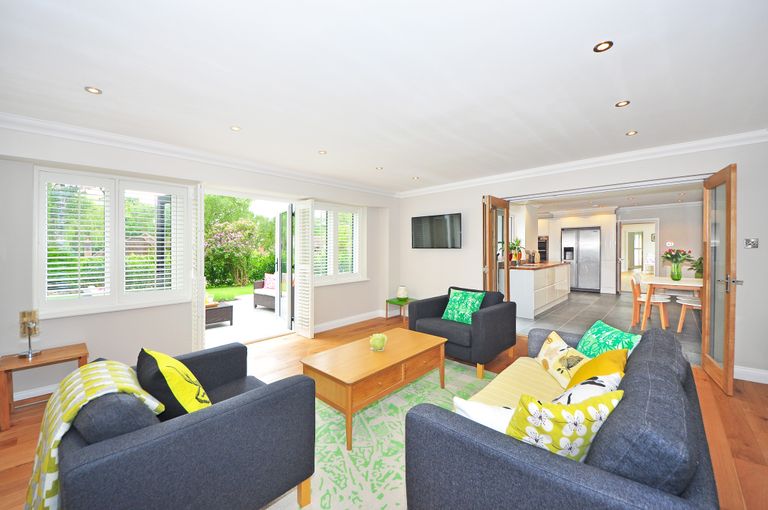
One large rug that sits under the front legs of the sofa and the coffee table unifies the seating area. Several small rugs break the floor into fragments and make the room feel busier than it is. Size the rug to the seating group, not to the whole room, and leave a consistent border of bare floor around it.
Choose a low pile in a small flat so doors clear it and cleaning is easy. A subtle pattern hides crumbs better than a plain light rug, while a border pattern can make the seating zone feel defined without adding furniture. Use a rug pad to stop curling edges.
Quick Tip: Rotate the rug every few months if sunlight hits one side, to even out fading.
11. Style a Wall-Mounted TV
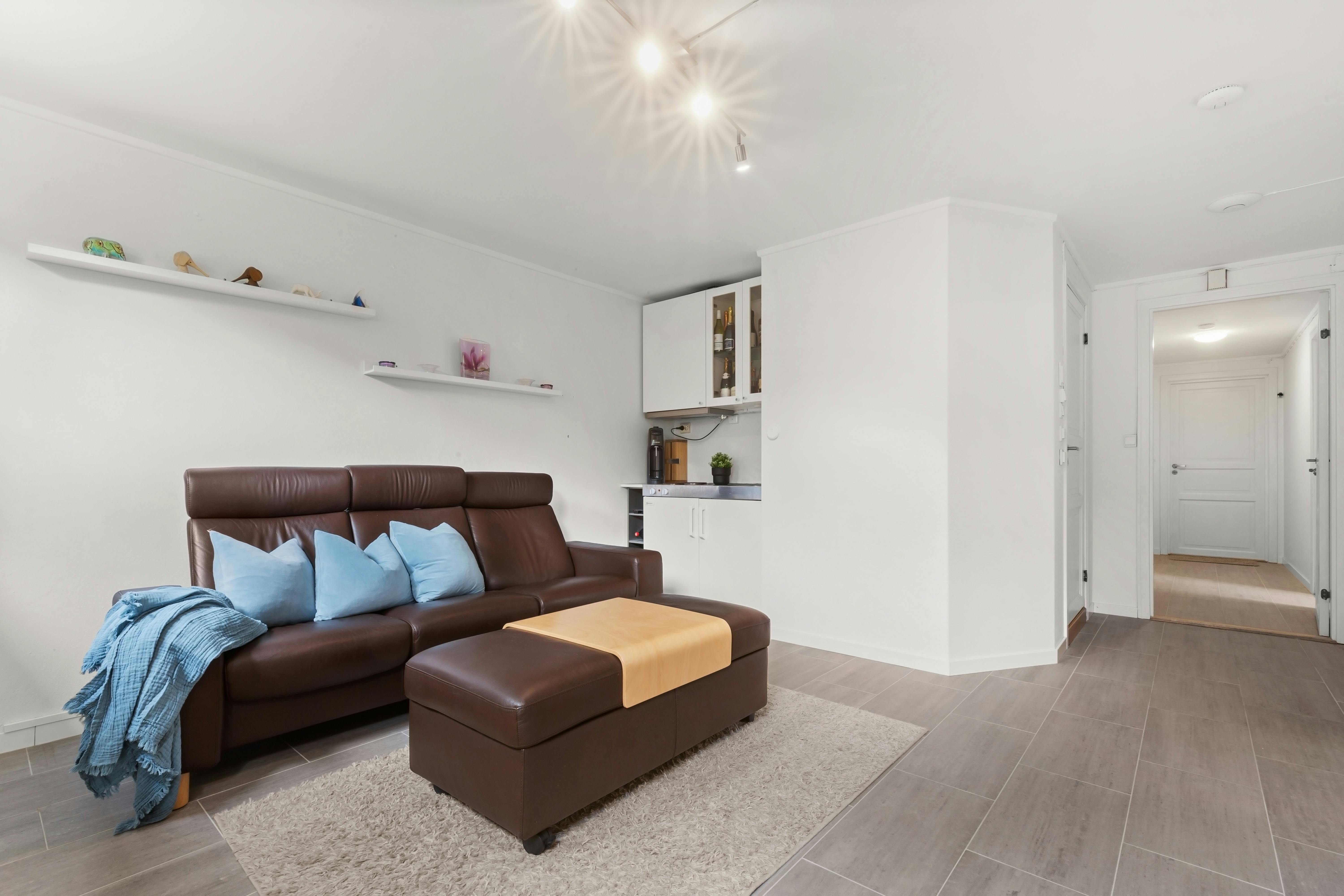
A wall-mounted TV frees the floor from a bulky stand and lets a slim console sit underneath for storage. Centre the screen at seated eye level, not above a fireplace height, and run cables through a paintable trunking channel for a clean finish. If mounting is not allowed, a low, narrow console with the TV at a similar height gives almost the same calm look.
Balance the TV wall with one larger art piece or a shelf on the other side so the screen is not the only focal point. Keep the console top to a lamp, one bowl and a plant; everything else belongs inside.
Quick Tip: Measure the mount’s fixing points against wall studs or use rated anchors — never guess.
12. Grow Vertical Plants
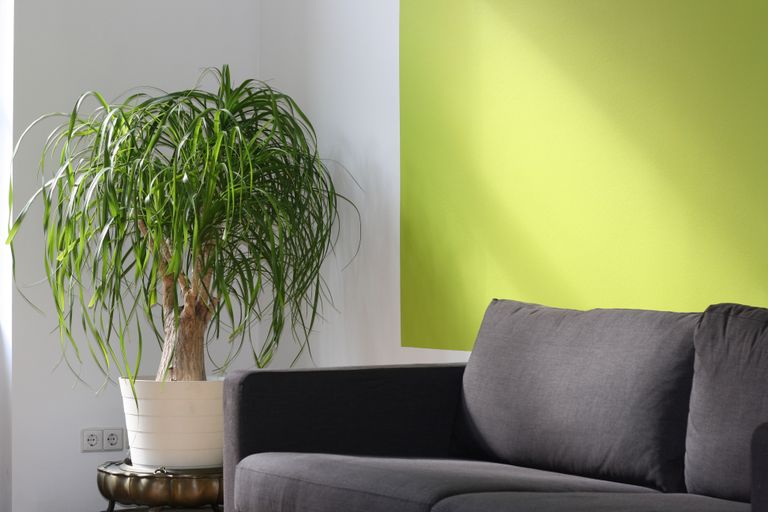
Vertical plants use height instead of floor space. A tall, narrow plant in a corner, a wall planter with trailing vines, or a shelf plant that spills downward adds life without blocking a walkway. Choose varieties that tolerate the light you actually have, not the light in the shop.
Group plants in odd numbers and vary the heights, but keep the pots in a consistent finish so the group looks curated. Water on a schedule and put saucers under every pot to protect rental floors.
Quick Tip: Wipe leaves monthly; dusty foliage reduces the light a plant can use.
13. Edit the Decor Down
Edited decor means choosing fewer, better objects and giving each one space. Put 20 percent of your ornaments away for a week and see whether the room breathes more easily. Keep the pieces that relate to each other in colour or material, and store the rest in the cube organiser or ottoman rather than on display.
Rotate decor seasonally instead of adding to it permanently. A small flat feels larger when surfaces are mostly clear, with one styled tray or shelf doing the work of five scattered items. When in doubt, remove the smallest object first.
Quick Tip: Photograph each surface after editing; photos reveal clutter your eye has stopped noticing.

14. Choose a Multi-Use Coffee Table
A multi-use coffee table can be a storage ottoman, a nesting set or a lift-top design that becomes a desk for a laptop. Decide which second job matters most — dining, working or hiding clutter — and buy for that job. Nesting tables are especially useful in apartments because the extra surface appears only when guests visit.
Keep the table’s footprint modest and its edges rounded if the room is tight. A tray on top corrals remotes and coasters, and a basket underneath holds magazines without spreading them across the rug.
Quick Tip: Test the table height from your sofa with a book stack before buying a lift-top model.
15. Create an Entryway Drop Zone
Even a small apartment needs a place where keys, post and bags land. A narrow shelf with hooks, a tray for keys and a basket for shoes by the door stops the living room becoming the dumping ground. Keep the drop zone to one wall and one shallow depth so it does not narrow the entrance.
Use a mirror here too, for a final check before leaving, and add a small lamp or plug-in night light for dark hallways. Label baskets if several people share the flat, and empty the post tray weekly.
Quick Tip: Put the drop zone on the side of the door you naturally reach for, not the side that looks better in photos.
Final thoughts
A small apartment living room improves fastest when you fix scale, light and storage before adding decoration. Start with the taped layout, one large rug and layered lamps, then use the cube organiser and floating shelves to move clutter off the floor. If you are planning a bigger refresh, revisit the small living room ideas that make the space feel bigger pillar and pick two or three ideas to do this weekend rather than all fifteen at once.
Frequently Asked Questions
What size sofa works in a small apartment living room?
Choose a sofa that leaves a clear walkway and does not touch both walls. Measure the door and hallway first so the sofa can actually get into the room, then check seat depth — a shallower seat often suits small rooms better than a deep, lounge-style model.
How can I make a rental living room feel bigger without painting?
Use mirrors, sheer curtains, one large rug and layered lamps. A light-coloured rug and curtains hung high widen the room visually without changing the walls, and removing floor clutter has an immediate effect.
Are floating shelves safe in a rented apartment?
Only if your lease allows fixings and you use anchors rated for the wall type and the load. Keep shelves decorative and light, spread the weight, and if drilling is not permitted, choose a freestanding shelf or cube organiser instead.
How many colours should a small living room have?
Two or three is enough: a light base, one anchor colour and a metal or wood tone that repeats. Repeat the anchor in at least three small places so the scheme feels deliberate.
What is the best storage for a small living room?
Closed storage wins: a storage ottoman, baskets in a cube organiser and a console with doors. Open shelves are best for a few display items, while everyday clutter should disappear behind a front.
7 Comments