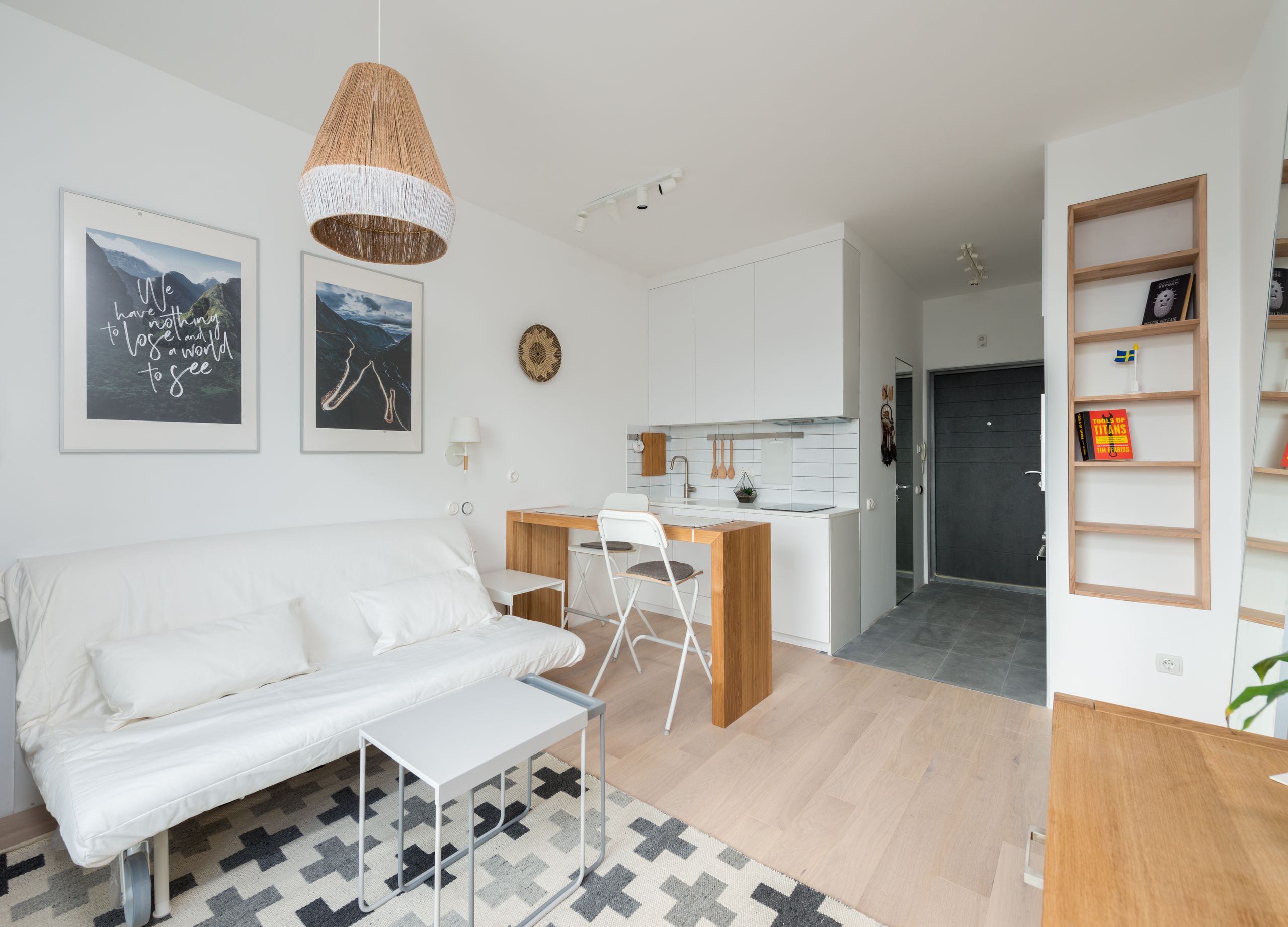
12 Small Living Room Ideas That Make the Space Feel Bigger
Small living room ideas can make a small room feel larger without knocking down a single wall. The right furniture, colors, and lighting can trick the eye into reading the room as larger than it is. These twelve ideas work in flats, starter homes, and any lounge that runs short on square footage. None of them needs a major renovation, and most can be done over a single weekend.

1. Float low-profile furniture
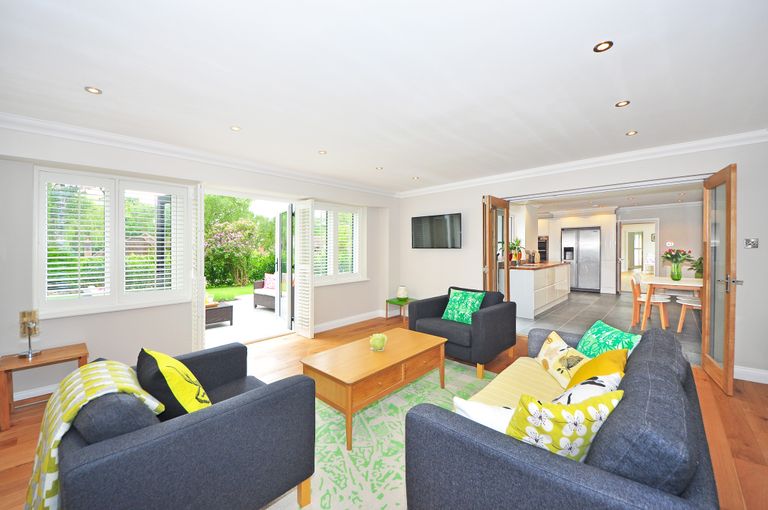
Choose a sofa and chairs that sit low to the ground so more wall shows above them. The extra visible wall makes ceilings feel taller and the whole room more open. Low pieces also keep sight lines clear across the room, which matters more than the actual footprint of each item.
When you shop, measure the seat height as well as the width. A sofa that is a few inches lower can change how spacious the room feels, even if it seats the same number of people. Pair it with a low coffee table so the whole seating group reads as one calm, horizontal band.
Quick Tip: Sit on a low sofa in the store and check that getting up still feels easy, especially if older family members will use it.

2. Lift pieces on legs
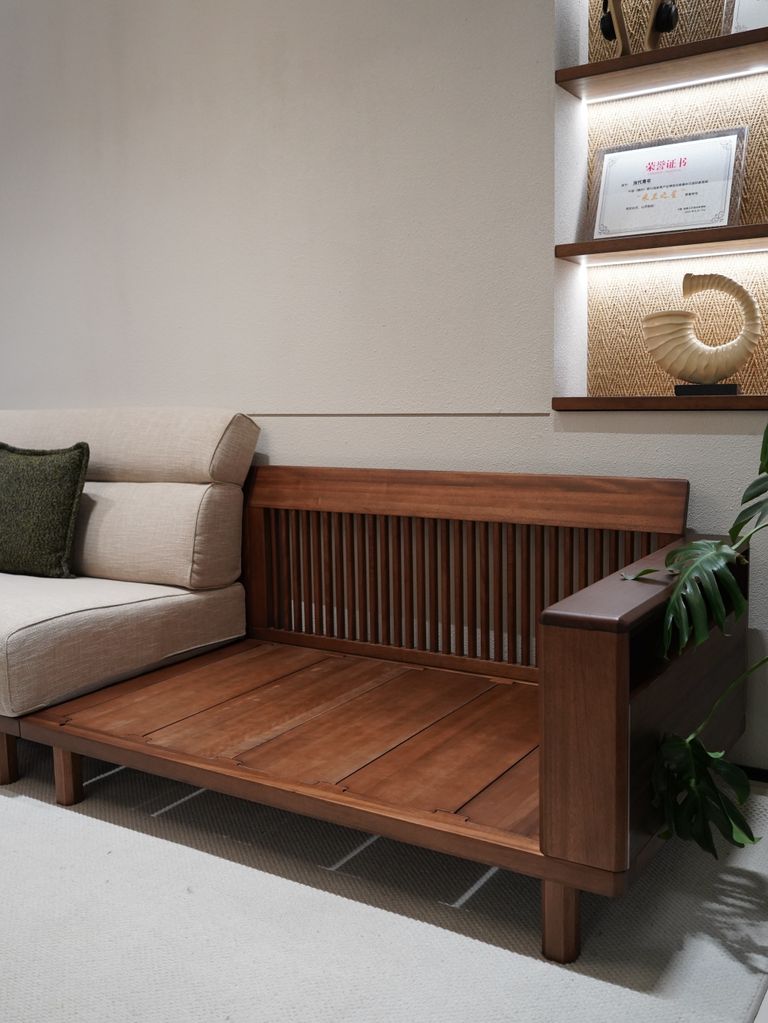
Furniture with exposed legs lets light and floor flow underneath, which keeps the room from feeling blocked. A sofa you can see beneath always reads lighter than a skirted or boxy one. The same goes for sideboards, armchairs, and media units.
Legs also make cleaning easier, and they stop dust from collecting in dark corners. In a small room, that little shadow gap under each piece gives the eye a sense that the floor continues, so the room feels wider than its measurements suggest.
Quick Tip: If you love a solid piece, add tapered wooden legs or brass feet to lift it a few inches off the floor.

3. Hang one big mirror
A large mirror opposite a window bounces daylight across the room and doubles the sense of depth. One oversized mirror works better than a cluster of small ones, because it creates a single clear reflection instead of visual noise. Place it where it will reflect something pleasant, like a window or a plant.
Mirrors also help in rooms with only one window, which is common in flats. Even a leaning floor mirror in a corner can make a narrow lounge feel like it has a second opening. Just check the reflection from the main seating spot before you fix it to the wall.
Quick Tip: Angle a mirror slightly so it catches daylight without reflecting a messy corner or a bright lamp head-on.

4. Stick to a tight palette
Keep walls, sofa, and large rugs within two or three close tones. Fewer color breaks means the eye travels further before it stops, and the room feels continuous. A tight palette also makes it easier to add personality later with cushions and throws.
Start with a warm white or soft greige on the walls, then layer the same family of tones in the biggest furniture pieces. Save contrast for small items you can swap seasonally. That way the room feels designed rather than busy, even when it holds a lot of daily life.
Quick Tip: Test paint on two walls and look at it morning and evening before committing, because small rooms show color shifts clearly.
5. Paint trim the wall color
Matching skirting boards and door frames to the walls erases hard lines and makes the edges of the room melt away. Instead of a white trim outline boxing in every wall, the surfaces read as one larger shell. This trick works especially well in rooms with low ceilings.
You do not have to paint every surface the same shade. A trim one step lighter or darker than the wall still softens the contrast while keeping a hint of definition. Keep the ceiling a clean white to bounce light downward.
Quick Tip: Use a washable paint on trim so scuffs from shoes and vacuum cleaners wipe off easily.
6. Go vertical with shelves
Tall, narrow shelving draws the eye up and uses height instead of floor space. Leave some shelves part-empty so it never feels crowded. A single tall bookcase in a corner can hold books, baskets, and a plant without eating into the seating area.
Style shelves in small groups: a stack of books, a small framed print, and one sculptural object. Repeat a material, like wood or black metal, so the shelf looks intentional. Avoid lining every shelf edge to edge, because breathing room is what keeps a small room feeling calm.
Quick Tip: Fix tall shelves to the wall, especially in homes with children or pets, so they cannot tip forward.
7. Choose see-through tables
A glass or slim metal coffee table takes up visual space without blocking the view across the floor. You can see the rug and floor beneath it, so the room feels less filled. Clear tables also work well over patterned rugs that you want to show off.
Glass can show fingerprints, so choose a smoked or lightly tinted top if you prefer a lower-maintenance option. Slim metal frames give the same airy effect with a bit more durability. Either way, keep the tabletop edited to a tray, a book, and one small object.
Quick Tip: Round or oval tables are easier to move around in tight rooms than sharp-cornered rectangles.
8. Hang curtains high and wide
Mount the rod close to the ceiling and let panels extend past the window frame. The window looks bigger and the walls taller. Wide curtains also add softness that balances hard furniture lines in a small space.
Choose a fabric that falls in gentle folds rather than stiff pleats, and keep the color close to the wall tone for a seamless look. Sheer linen-look panels filter daylight while still letting the room glow. Always make sure curtains can open fully without bunching over the glass.
Quick Tip: Measure from ceiling to floor, then add a few inches so panels just kiss the floor instead of pooling.
9. Use a large rug, not a small one
A rug that sits under the front legs of all the seating pulls the zone together, where a tiny rug chops the floor up and shrinks the room. The larger rug anchors the furniture group and makes the seating area feel like a proper room within the room.
If a full-size rug is out of budget, a flatweave or indoor-outdoor rug can give you the size for less. Keep the pattern subtle in a small room, because a bold pattern close up can feel busy. A low pile is easier to clean and less likely to catch on furniture legs.
Quick Tip: Tape the rug corners down for the first week so they flatten out and stop curling at the edges.
10. Add layered lighting
Mix a floor lamp, a table lamp, and a wall light so the room is lit at several heights. Layered light removes dark corners that make a room feel smaller. It also lets you change the mood from bright task light to a soft evening glow without one harsh overhead bulb.
Place lamps near the corners to push light into the farthest points of the room. Warm bulbs around 2700K feel welcoming in a lounge. If space is tight, a wall sconce frees up side-table space while still giving you that second layer of light.
Quick Tip: Put lamps on plug-in dimmers or smart plugs so one switch can set the whole room for movie night.
11. Tuck storage into benches and ottomans
A storage ottoman or bench replaces a plain coffee table and hides throws, games, and remotes. Pieces that do two jobs are essential when every square foot counts. An ottoman can also pull up as extra seating when guests arrive.
Choose a bench with a lift-up lid or baskets underneath so storage stays out of sight. Keep only the current season’s items inside and move the rest to a closet, so the ottoman stays easy to open. Soft, rounded edges also make a small room feel safer and more relaxed.
Quick Tip: A tray on top of a storage ottoman stops drinks from tipping and gives you a proper table surface.
12. Leave breathing room around the TV
Mount the TV or place it on a slim console with a clear gap on either side. Crowding the TV with shelves and decor makes the whole wall feel busy. A little empty wall around the screen lets it read as part of the room rather than the room’s only purpose.
Run cables through a trunking channel or behind the wall so no wires trail across the floor. Keep the console surface to a soundbar and one small plant or bowl. When the TV is off, that calm wall will make the room feel larger and more like a place to relax.
Quick Tip: Sit in your main seat and check the viewing angle before mounting, so you are not craning your neck every evening.
Final thoughts
Small living rooms reward restraint. When furniture is low, colors are calm, and light comes from several directions, the room feels generous even when it is not large. Try two or three of these ideas first, live with them for a week, and then add the next layer. For more calm, organized inspiration around the home, see our cozy bedroom ideas, kitchen decor ideas, small bathroom decor ideas, and entryway ideas.
Frequently Asked Questions
How do I make a small living room look bigger without renovating?
Focus on low furniture, a tight color palette, and mirrors that bounce daylight around the room. These changes cost far less than structural work and can usually be done in a weekend. Clearing visual clutter from surfaces makes just as much difference as buying new pieces.
What color should I paint a small living room?
Warm whites, soft greiges, and pale sage all help a small room feel airy without looking stark. Paint the trim close to the wall color to soften edges and make ceilings feel higher. Always test samples in the room’s own light before you buy the full amount.
How much space should I leave between furniture pieces?
Aim for at least 45 to 60 centimeters of walking space around a coffee table where you can. In very tight rooms, 30 centimeters is workable if the path is straight and clear. Measure your main route from door to sofa and protect that lane from furniture creep.
Is a large rug really better in a small room?
Yes, a rug big enough to sit under the front legs of the sofa and chairs usually makes the seating area look larger. A small rug floating in the middle of the floor breaks the space into fragments. If size is a problem, choose a flatweave rug that is easy to roll and store.
How can I hide clutter in a small living room?
Use storage ottomans, benches with lids, and baskets under side tables so everyday items disappear quickly. Give each category, like games or throws, one closed home. A quick five-minute tidy into closed storage keeps a small room feeling calm without a full clear-out.
17 Comments