12 Small Home Office & Cloffice Ideas
This post contains Amazon affiliate links. If you buy through them, Top Finds Review may earn a small commission at no extra cost to you.
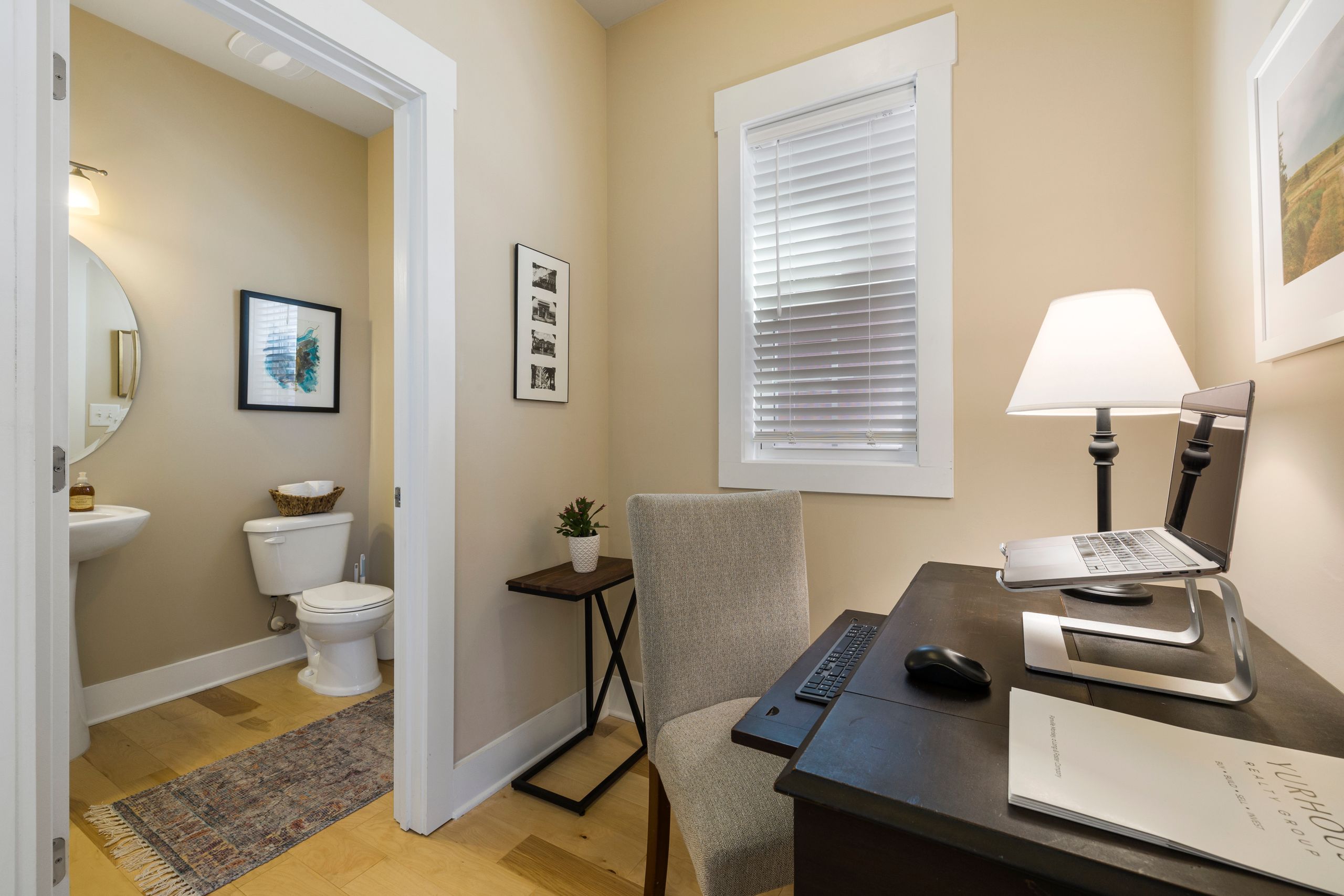
Good small home office ideas do not require a spare room. A cloffice in a closet, a floating desk on one wall, or a fold-away table in a corner can give you a real work zone that closes down at the end of the day. The key is to give work its own light, its own storage and a background you are happy to show on calls.
For the living-room side of a combined space, see our 15 small apartment living room ideas, and for zoning a studio, the studio apartment divider ideas show how a desk corner can be screened. If you work from a bedroom corner, the cozy bedroom ideas pillar helps keep the sleep zone separate.
Shop This Look
- Floating Shelves Set of 2 — Check Price on Amazon
1. Closet Office Setup
A closet office, or cloffice, turns an unused closet into a work zone you can close with a curtain or a door. Fit a slim desk or shelf at elbow height, add a lamp inside the closet and keep only work supplies in there. At the end of the day, close the door and the office disappears — a small psychological trick that helps you switch off.
Check that the closet has a power outlet or a safe route for a cable, and do not overload a domestic circuit with a heater and a computer in a small enclosed space. A small fan or leaving the door ajar during long calls keeps the air fresh.
Quick Tip: Paint the inside of the closet a colour you like — you will be looking at it all day.
2. Floating Desk
A floating desk uses the wall instead of the floor. A narrow shelf or a wall-mounted desk with brackets gives you a work surface while keeping the floor clear for a chair that tucks underneath. This is ideal in a hallway, a bedroom corner or the end of a kitchen counter.
Fix a floating desk into studs or use rated anchors, and test it with your full laptop and monitor weight before you rely on it. Keep the depth modest — 40 to 50 centimetres is often enough for a laptop and a notebook.
Quick Tip: Add a slim cable channel under the floating desk so leads do not dangle into the walkway.

3. Wall Shelves Above the Desk
Wall shelves above a desk replace a bookcase and keep reference books within reach. The Floating Shelves Set of 2 suits this job because they are shallow and simple. Style them with a mix of books, a small plant and one framed print, leaving gaps so the shelves do not become a second clutter zone.
Mount the lowest shelf high enough that you do not bump your head when you stand up from the desk. Keep heavy files on the lower shelf and light display items above.
Quick Tip: Put the books you use weekly on the lowest shelf and archive the rest elsewhere.
4. Hide the Cables
Cable hiding is half of small-office styling. Use a cable box under the desk, adhesive clips along the desk edge and a single power strip fixed out of sight. Label each lead with a small tag so you know which charger is which without unplugging everything.
Keep one lead accessible for the laptop charger you move around, and hide the permanent ones. A small office with visible cables always looks busier than it is.
Quick Tip: Bundle spare leads in a small pouch in a drawer rather than leaving them coiled on the desk.
5. Task Lighting
Task lighting protects your eyes and defines the work zone after dark. A desk lamp with an adjustable arm lets you aim light at the keyboard or the notebook, while a soft ambient lamp in the room stops the contrast between a bright desk and a dark room. Keep both in a warm colour temperature.
Place the lamp on the side opposite your writing hand to avoid shadows. If the desk faces a window, a lamp is still useful on bright days when the screen is hard to read.
Quick Tip: Choose a lamp with a dimmer so the same light works for focused work and for evening reading.
6. Ergonomic Small Chair
An ergonomic small chair is worth the investment even in a tiny office. Look for adjustable height, a seat that fits your desk height and a back that supports you for long calls. A chair on castors moves easily, but check that it does not roll away on a hard floor — a small mat under the chair solves that.
Measure the chair’s footprint with the armrests included. In a cloffice or a corner desk, armrests are often what stops the chair tucking in. A chair without arms may suit a very small zone better.
Quick Tip: Sit in the chair at the desk height you will use, not just in the shop — height mismatch is the commonest ergonomic mistake.

7. Pinboard Styling
A pinboard above the desk turns a blank wall into a planning surface. Pin a weekly planner, a few reference cards and one inspiring image, and edit it every Monday so it stays useful. Frame the pinboard with a slim timber edge or use a cork board in a natural finish to match the desk.
Keep the pinboard to one zone of the wall so it does not creep across the whole office. If you share the space, give each person their own pinboard section with a clear dividing line.
Quick Tip: Use the same pin colour for all notes so the board looks calm rather than chaotic.
8. Plant Plus Art
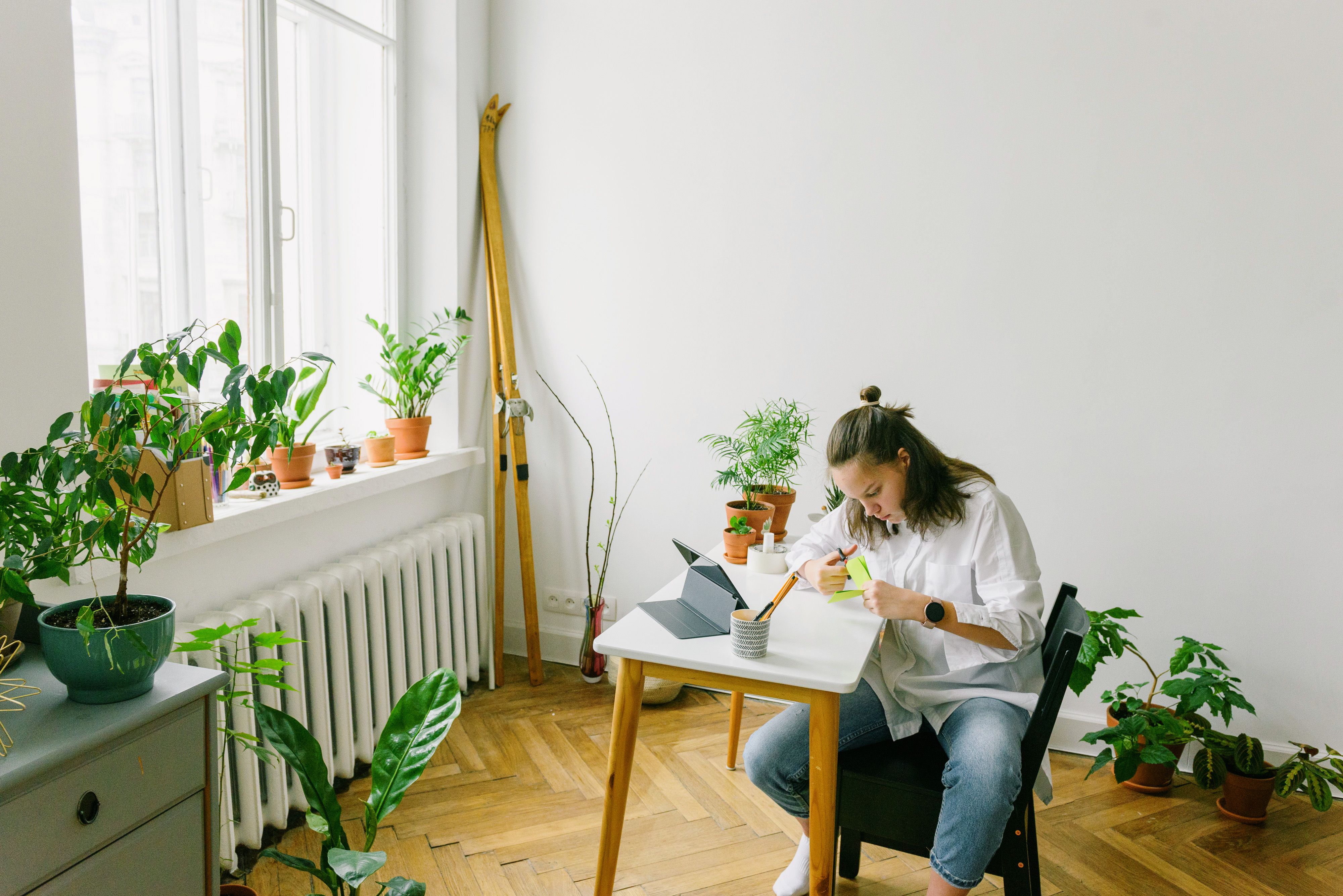
A plant plus a piece of art is the smallest styling formula that makes a desk feel finished. Choose a plant that tolerates indoor light and a frame that matches the desk finish. The plant softens the technology on the desk, and the art gives your eyes somewhere restful to land between tasks.
Do not let the plant block the laptop screen or the lamp. A small potted plant on a shelf or a trailing plant from a wall shelf keeps the desk surface itself clear.
Quick Tip: Wipe plant leaves and dust the frame on the same day each week so both stay fresh.
9. Storage Boxes
Storage boxes keep a small office from becoming a paper avalanche. Use lidded boxes on a shelf or in a drawer for stationery, cables and archived paperwork, and label them on the front. A box that is labelled gets used; an unlabelled box becomes a mystery.
Choose boxes in one or two finishes so the shelf looks intentional. Keep the box for current projects on the desk and archive boxes on the higher shelf.
Quick Tip: Add a small inventory list inside each box lid so you can see what is stored without opening it.
10. Colour Zoning
Colour zoning marks the office territory in a shared room. Paint or paper the wall behind the desk in a calm colour, or use a rug under the desk that differs from the living-room rug. The colour does not need to be bold — a slightly deeper tone than the rest of the room is enough to say this is the work corner.
Repeat the office colour in one small object in the living area, such as a cushion, so the zones relate to each other. Colour zoning works best when it is a whisper, not a shout.
Quick Tip: Test the colour at the time of day you actually work, not just in morning light.

11. Fold-Away Desk
A fold-away desk folds flat against the wall when work is done, returning the corner to living use. Wall-mounted fold-down desks and secretary-style desks both work, as long as the folded depth is small and the mechanism is sturdy. Pair it with a folding chair that stores behind a door.
Clear the desk completely before folding — a fold-away desk that requires moving five objects first will stay open all the time. Keep only the laptop and one notebook on it during the day.
Quick Tip: Add a small hook beside the fold-away desk for the chair so both fold away together.
12. Video-Call Background Styling
Your video-call background is the wall behind you, so style that, not the desk. A shelf with a few books, a plant and a framed print reads well on camera, as does a plain wall with one piece of art. Avoid a background with a door that opens during calls or a bright window that silhouettes you.
Position the camera at eye level and light your face from the front with a soft lamp, not from behind. Test the framing with a recording before an important call, and keep the background objects in the same colour family as the rest of the office.
Quick Tip: Keep a small ‘call kit’ — lamp, plant and frame — that you can set up in two minutes in any corner.
Final thoughts
Small home office ideas succeed when work has a defined zone, hidden cables, good light and a background you trust on camera. Start with the floating desk or cloffice, add the wall shelves and storage boxes, and finish with the plant plus art formula. For the rest of the room, revisit our small apartment living room ideas so the office corner and the living area are designed as one home.
Frequently Asked Questions
What is a cloffice?
A cloffice is a closet turned into an office. A slim desk, a lamp and work-only storage inside a closet give you a work zone that closes away at the end of the day, which is ideal in a small apartment.
How deep should a small floating desk be?
Forty to fifty centimetres is usually enough for a laptop, a notebook and a lamp. Measure your laptop and your elbows before fixing the desk, and fix it into studs or rated anchors.
How do I hide cables in a small home office?
Use a cable box under the desk, adhesive clips along the desk edge and one fixed power strip out of sight. Label each lead and keep spare leads in a pouch in a drawer.
What chair works in a tiny office?
Choose an ergonomic chair with adjustable height that fits your desk, and check its footprint including armrests. A chair without arms often tucks in better in a cloffice or corner desk.
How can I make a good video-call background in a small space?
Style the wall behind you with a shelf, a plant and art in a calm colour family, position the camera at eye level and light your face from the front. Test the framing before an important call.